
Vietnamese Crispy Elephant Ear Fish, or Cá Tai Tượng Chiên Xù, is a delightful dish that brings the flavors of Vietnam right to your table. This recipe features a whole fish fried to golden perfection, resulting in a crispy exterior and tender, flavorful meat inside. It's a simple yet impressive dish that's perfect for family dinners or special occasions.
The key ingredient in this recipe is the elephant ear fish, which may not be commonly found in every supermarket. You might need to visit an Asian grocery store or a specialty fish market to find it. Ensure the fish is cleaned and scaled before cooking. The other ingredients, vegetable oil, salt, and black pepper, are pantry staples that you likely already have at home.
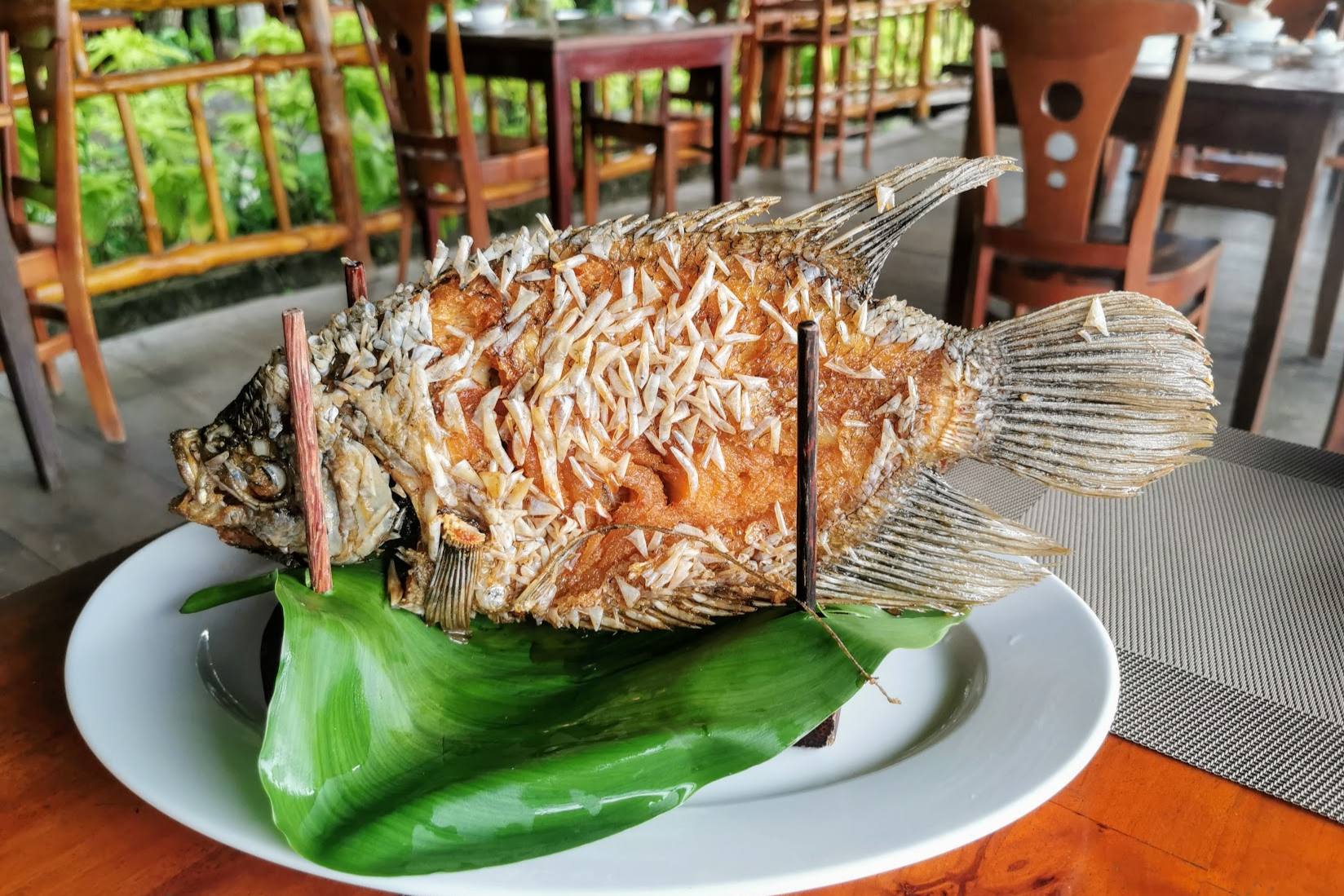
INGREDIENTS FOR Vietnamese Crispy Elephant Ear Fish
Elephant ear fish: A whole fish that is cleaned and scaled, known for its firm texture and mild flavor.
Vegetable oil: Used for frying the fish to achieve a crispy exterior.
Salt: Enhances the natural flavors of the fish.
Black pepper: Adds a hint of spice and depth to the seasoning.
Technique Tip for Making Crispy Elephant Ear Fish
When frying the elephant ear fish, make sure to use a thermometer to monitor the oil temperature. The ideal temperature for frying is around 350°F (175°C). This ensures that the fish cooks evenly and achieves a perfectly crispy exterior without becoming greasy. Additionally, avoid overcrowding the pan, as this can lower the oil temperature and result in a soggy texture.
SIDE DISHES
Substitute ingredients
elephant ear fish - Substitute with tilapia: Tilapia has a mild flavor and firm texture similar to elephant ear fish, making it a suitable alternative for frying.
elephant ear fish - Substitute with red snapper: Red snapper offers a slightly sweet and nutty flavor, which can complement the crispy frying method well.
vegetable oil - Substitute with canola oil: Canola oil has a high smoke point and neutral flavor, making it ideal for frying.
vegetable oil - Substitute with peanut oil: Peanut oil also has a high smoke point and adds a subtle nutty flavor that can enhance the dish.
salt - Substitute with sea salt: Sea salt provides a similar level of saltiness but can add a slight mineral complexity to the dish.
salt - Substitute with kosher salt: Kosher salt has larger grains and can be easier to control when seasoning the fish.
black pepper - Substitute with white pepper: White pepper has a milder flavor and can blend more seamlessly into the dish without altering its appearance.
black pepper - Substitute with cayenne pepper: Cayenne pepper adds a bit of heat and spice, which can provide an interesting twist to the traditional flavor profile.
Alternative Recipes Similar to This Vietnamese Fish Dish
How to Store or Freeze This Vietnamese Fish Dish
- Allow the fish to cool completely before storing. This prevents condensation, which can make the crispy skin soggy.
- Wrap the fish tightly in aluminum foil or plastic wrap to maintain its freshness and prevent any odors from seeping in.
- Place the wrapped fish in an airtight container to provide an extra layer of protection against moisture and air.
- Store the container in the refrigerator if you plan to consume the fish within 2-3 days. This keeps the fish fresh and safe to eat.
- For longer storage, place the wrapped fish in a freezer-safe bag or container. Label it with the date to keep track of its freshness.
- Freeze the fish for up to 2 months. This ensures that the fish retains its flavor and texture.
- When ready to reheat, thaw the fish in the refrigerator overnight. This gradual thawing process helps maintain the fish's quality.
- Reheat the fish in an oven preheated to 350°F (175°C) for about 10-15 minutes. This helps to restore its crispy texture.
- Avoid using a microwave to reheat, as it can make the fish soggy and unevenly heated.
- Serve the reheated fish with fresh dipping sauce and side dishes to enhance its flavors.
How to Reheat Leftovers
Preheat your oven to 350°F (175°C). Place the leftover elephant ear fish on a baking sheet lined with parchment paper. Cover the fish loosely with aluminum foil to prevent it from drying out. Bake for about 10-15 minutes or until heated through. This method helps retain the crispy texture while ensuring the fish is warmed evenly.
Use an air fryer for a quick and efficient reheating method. Preheat the air fryer to 350°F (175°C). Place the fish in the basket, making sure not to overcrowd it. Heat for about 5-7 minutes, checking halfway through to ensure it doesn't overcook. The air fryer will help maintain the crispiness of the fish.
Reheat on the stovetop by adding a small amount of vegetable oil to a non-stick skillet. Heat the skillet over medium heat. Once the oil is hot, place the fish in the skillet and cook for 3-4 minutes on each side, or until heated through. This method helps to re-crisp the fish while warming it up.
For a microwave option, place the fish on a microwave-safe plate. Cover it with a damp paper towel to keep it from drying out. Heat on medium power for 1-2 minutes, checking frequently to ensure it doesn't become rubbery. This method is the least preferred as it may not retain the crispy texture as well as other methods.
Best Tools for Making Crispy Elephant Ear Fish
Frying pan: A large, deep pan to hold the fish and enough oil for frying.
Paper towels: Used to pat the fish dry and to drain excess oil after frying.
Tongs: For carefully placing the fish into the hot oil and turning it over.
Spatula: To help maneuver the fish in the pan and remove it once cooked.
Measuring spoons: For accurately measuring the salt and pepper.
Thermometer: To check the oil temperature, ensuring it is at the right heat for frying.
Serving platter: To present the crispy fish once it is cooked and drained.
Knife: For any additional preparation needed before seasoning the fish.
Cutting board: A surface to place the fish on while seasoning it.
Heat-resistant gloves: To protect your hands while handling the hot pan and oil.
How to Save Time on Making This Vietnamese Fish Dish
Pat the fish dry: Ensure the fish is thoroughly dried with paper towels to achieve maximum crispiness and reduce splattering.
Preheat the oil: Heat the vegetable oil while you season the fish to save time.
Use a thermometer: Check the oil temperature with a thermometer to ensure it's at the right heat for frying, around 350°F.
Season in advance: Season the fish with salt and black pepper ahead of time to let the flavors penetrate.
Prepare side dishes: While the fish is frying, prepare your dipping sauce and side dishes to serve everything hot.
Vietnamese Crispy Elephant Ear Fish (Cá Tai Tượng Chiên Xù) Recipe

Equipment
- Frying Pan
- Tongs
- Paper Towels
Ingredients
Main Ingredients
- 1 whole Elephant Ear Fish cleaned and scaled
- 2 cups Vegetable Oil for frying
- 1 teaspoon Salt
- 1 teaspoon Black Pepper
Instructions
- 1. Pat the fish dry with paper towels. Season with salt and pepper.
- 2. Heat the vegetable oil in a frying pan over medium-high heat.
- 3. Carefully place the fish in the hot oil. Fry until golden and crispy, about 10-15 minutes per side.
- 4. Remove the fish from the pan and drain on paper towels.
- 5. Serve hot with your favorite dipping sauce and side dishes.
Notes
Nutrition
Suggested Appetizers and Desserts for This Vietnamese Fish Dish
More Amazing Recipes to Try 🙂
- Best Cooking Calculators for Recipe Conversions
- Vietnamese Clear Tapioca Dumplings (Bánh Bột Lọc) Recipe50 Minutes
- Vietnamese Soy Milk (Sữa Đậu Nành) Recipe8 Minutes
- Vietnamese Sticky Rice Balls in Ginger Syrup (Chè Trôi Nước) Recipe50 Minutes
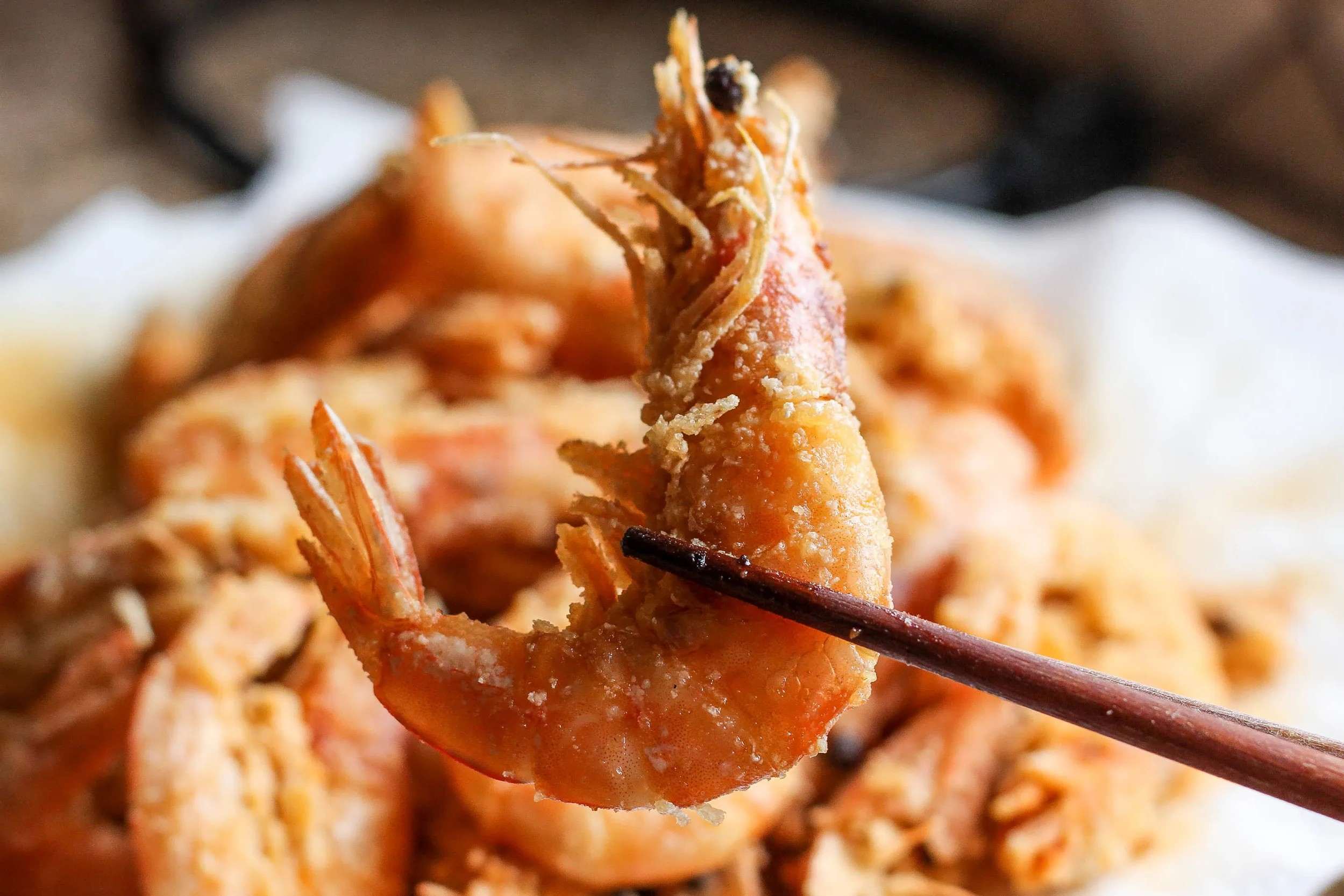
- Vietnamese Salt Roasted Shrimp (Tôm Rang Muối) Recipe25 Minutes
- Vietnamese Fried Rice Flour Cakes (Bột Chiên) Recipe30 Minutes
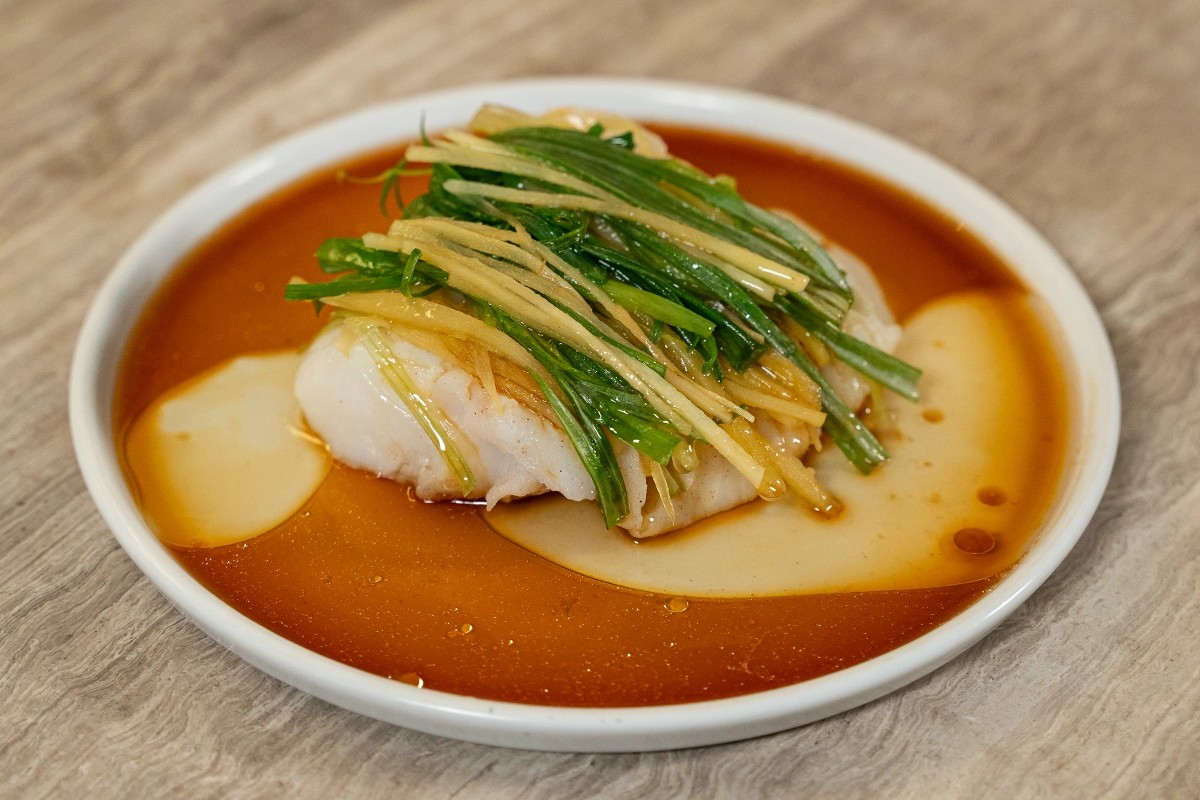
- Vietnamese Steamed Fish with Ginger (Cá Hấp Gừng) Recipe35 Minutes
- Vietnamese Tamarind Stir-Fried Quail Balut (Trứng Cút Lộn Xào Me) Recipe35 Minutes





Leave a Reply