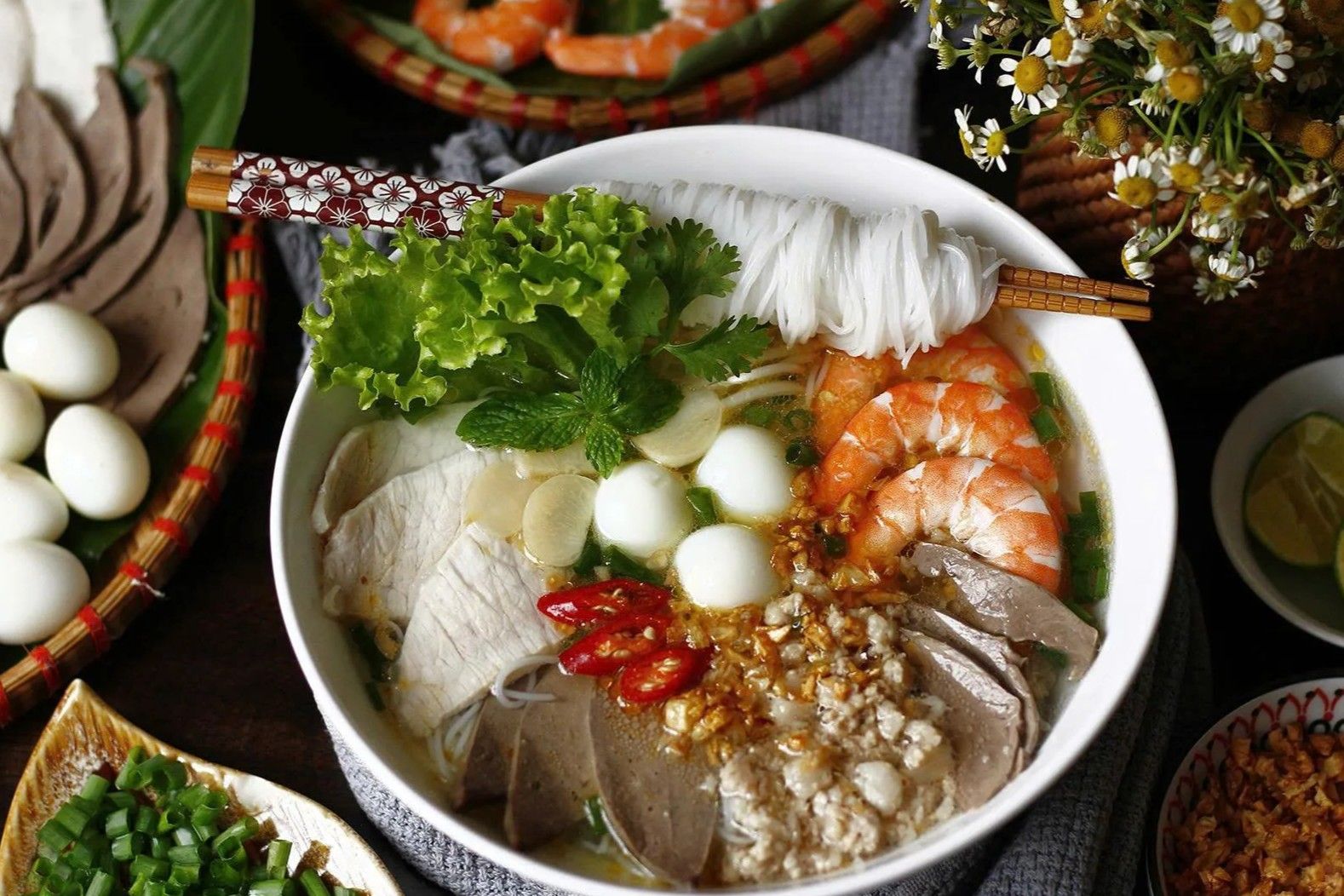
Dive into the rich and aromatic world of Vietnamese cuisine with this Vietnamese Fermented Fish Noodle Soup. This dish, known as Bún Mắm, is a flavorful and hearty soup that combines a variety of fresh ingredients with the unique taste of fermented fish sauce. Perfect for a comforting meal, this soup will transport your taste buds straight to the streets of Vietnam.
Some ingredients in this recipe may not be commonly found in every household. Fermented fish sauce is a key component and can be found in Asian supermarkets or specialty stores. Catfish fillets and okra might also require a trip to a well-stocked grocery store. Ensure you have these unique ingredients to capture the authentic flavor of this dish.
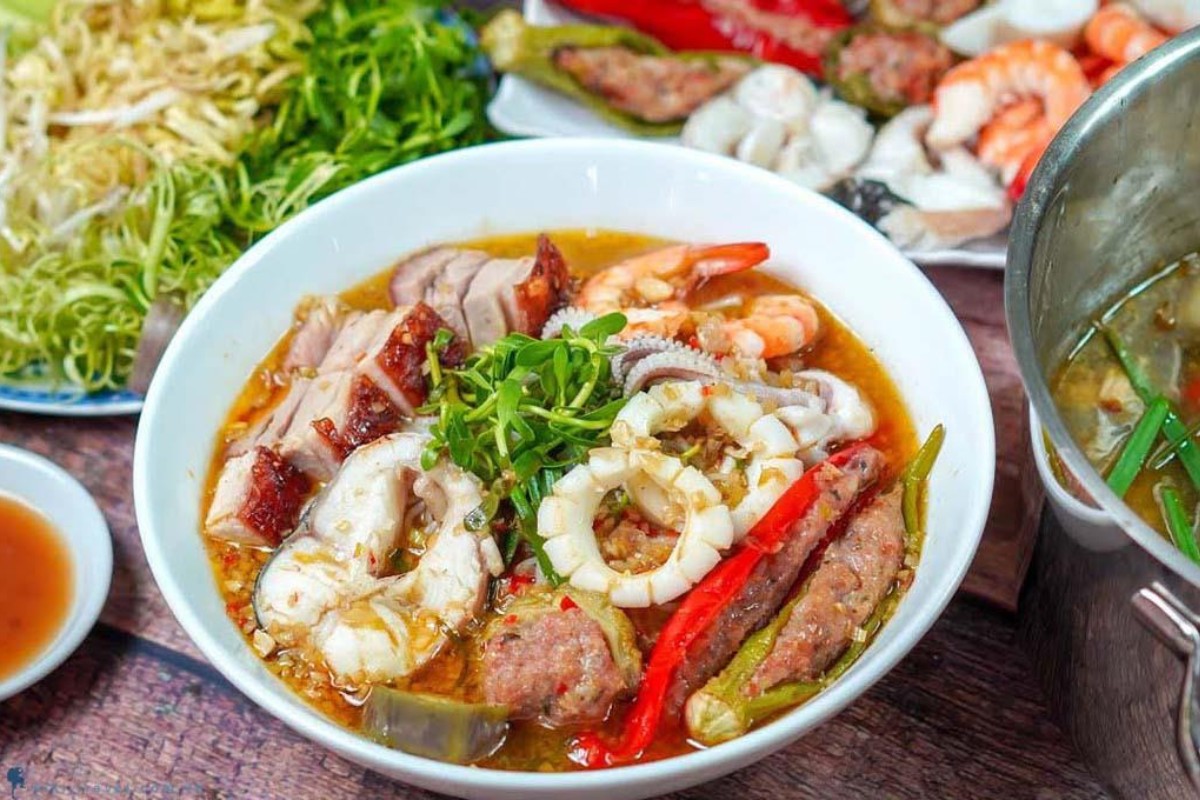
INGREDIENTS FOR Vietnamese Fermented Fish Noodle Soup
Fermented fish sauce: A pungent and salty sauce made from fermented fish, essential for the soup's distinctive flavor.
Water: Used as the base for the soup to dilute the fermented fish sauce.
Pork belly: Adds richness and a tender texture to the soup.
Shrimp: Provides a sweet and briny flavor, balancing the richness of the pork.
Catfish fillets: A mild-flavored fish that absorbs the soup's flavors well.
Eggplant: Adds a slight bitterness and a soft texture to the soup.
Pineapple: Contributes a sweet and tangy flavor, enhancing the overall taste.
Okra: Adds a unique texture and slight thickness to the soup.
Sugar: Balances the saltiness of the fermented fish sauce.
Salt: Enhances the overall flavor of the soup.
Rice vermicelli noodles: A light and chewy base for the soup, soaking up the broth's flavors.
Bean sprouts: Adds a fresh and crunchy texture to the dish.
Herbs: A mix of mint, basil, and cilantro, providing a fragrant and fresh element.
Shredded lettuce: Adds a crisp and refreshing texture.
Lime: Squeezed over the soup for a burst of acidity.
Chili: Adds a spicy kick to the soup.
Technique Tip for This Recipe
When preparing pork belly, it's crucial to ensure it is cooked until tender. This can be achieved by simmering it gently in the fermented fish sauce and water mixture for about 20 minutes. This slow cooking process allows the pork belly to absorb the rich flavors of the broth, resulting in a more flavorful and tender meat. Additionally, when adding the shrimp and catfish, make sure not to overcook them. Shrimp should turn pink and opaque, while catfish should flake easily with a fork. Overcooking can lead to a tough and rubbery texture, which can detract from the overall enjoyment of the dish.
SIDE DISHES
Substitute ingredients
fermented fish sauce - Substitute with fish sauce mixed with shrimp paste: This combination can mimic the strong, pungent flavor of fermented fish sauce.
water - Substitute with chicken broth: Adds more depth and richness to the soup.
sliced pork belly - Substitute with sliced pork shoulder: Pork shoulder has a similar fat content and texture.
peeled and deveined shrimp - Substitute with peeled and deveined prawns: Prawns have a similar taste and texture to shrimp.
catfish fillets - Substitute with tilapia fillets: Tilapia has a mild flavor and firm texture similar to catfish.
sliced eggplant - Substitute with zucchini: Zucchini has a similar texture and absorbs flavors well.
cubed pineapple - Substitute with mango: Mango provides a similar sweetness and tropical flavor.
sliced okra - Substitute with green beans: Green beans offer a similar crunch and can hold up well in soups.
sugar - Substitute with honey: Honey provides a similar sweetness with a slightly different flavor profile.
salt - Substitute with soy sauce: Soy sauce adds saltiness along with a bit of umami flavor.
rice vermicelli noodles - Substitute with glass noodles: Glass noodles have a similar texture and are also gluten-free.
bean sprouts - Substitute with snow pea shoots: Snow pea shoots provide a similar crunch and fresh flavor.
herbs - Substitute with parsley and dill: These herbs can add a fresh, aromatic element similar to mint, basil, and cilantro.
shredded lettuce - Substitute with shredded cabbage: Cabbage has a similar crunch and can hold up well in soups.
lime - Substitute with lemon: Lemon provides a similar acidity and brightness.
chili - Substitute with red pepper flakes: Red pepper flakes can add a similar level of heat and spice.
Other Alternative Recipes Similar to This Dish
How to Store / Freeze This Dish
Allow the soup to cool completely before storing. This helps to prevent condensation, which can lead to spoilage.
Store the broth and noodles separately. This prevents the noodles from becoming mushy. Place the broth in an airtight container and the noodles in a resealable plastic bag or another airtight container.
For the broth, use a container that is appropriately sized to minimize the amount of air in the container. This helps to preserve the flavor and freshness of the soup.
If you plan to consume the soup within a few days, store it in the refrigerator. The broth can be refrigerated for up to 3-4 days.
For longer storage, freeze the broth. Use freezer-safe containers or heavy-duty freezer bags. Leave some space at the top of the container or bag to allow for expansion as the broth freezes.
Label the containers with the date of storage to keep track of freshness. The broth can be frozen for up to 2-3 months.
When ready to use, thaw the broth in the refrigerator overnight. For a quicker option, you can use the defrost setting on your microwave.
Reheat the broth on the stove over medium heat until it reaches a simmer. Add the noodles and other garnishes just before serving to ensure they remain fresh and retain their texture.
If you have leftover herbs, bean sprouts, or shredded lettuce, store them separately in the refrigerator. Wrap them in a damp paper towel and place them in a resealable plastic bag to keep them fresh.
For the lime wedges and sliced chili, store them in small airtight containers in the refrigerator. They should stay fresh for a few days.
How to Reheat Leftovers
Stovetop Method:
- Pour the leftover soup into a pot.
- Heat over medium heat, stirring occasionally to ensure even heating.
- Once the soup reaches a gentle boil, reduce the heat to low and let it simmer for a few minutes.
- Add the cooked rice vermicelli noodles to the pot just before serving to warm them up without making them mushy.
- Serve hot, garnished with fresh bean sprouts, herbs, shredded lettuce, lime wedges, and sliced chili.
Microwave Method:
- Transfer a portion of the soup to a microwave-safe bowl.
- Cover the bowl with a microwave-safe lid or plastic wrap, leaving a small vent for steam to escape.
- Microwave on high for 2-3 minutes, stirring halfway through to ensure even heating.
- Check the temperature and heat for an additional 1-2 minutes if necessary.
- Add the cooked rice vermicelli noodles to the bowl and microwave for another 30 seconds to 1 minute.
- Garnish with fresh bean sprouts, herbs, shredded lettuce, lime wedges, and sliced chili before serving.
Oven Method:
- Preheat your oven to 350°F (175°C).
- Transfer the soup to an oven-safe dish and cover with aluminum foil.
- Heat in the oven for about 20-25 minutes, or until the soup is thoroughly heated.
- In the last 5 minutes of heating, add the cooked rice vermicelli noodles to the dish to warm them up.
- Serve hot, garnished with fresh bean sprouts, herbs, shredded lettuce, lime wedges, and sliced chili.
Slow Cooker Method:
- Pour the leftover soup into the slow cooker.
- Set the slow cooker to the low setting and heat for 1-2 hours, stirring occasionally.
- Add the cooked rice vermicelli noodles to the slow cooker in the last 10-15 minutes of heating.
- Serve hot, garnished with fresh bean sprouts, herbs, shredded lettuce, lime wedges, and sliced chili.
Best Tools for This Recipe
Large pot: Essential for boiling the fermented fish sauce and water, and for cooking the pork belly, seafood, and vegetables.
Ladle: Used to serve the soup over the rice vermicelli noodles, ensuring each bowl gets a mix of ingredients.
Knife: Necessary for slicing the pork belly, eggplant, pineapple, okra, and herbs.
Cutting board: Provides a safe and stable surface for chopping and slicing ingredients.
Measuring cups: Used to measure the fermented fish sauce, water, and other ingredients accurately.
Measuring spoons: Helps in measuring smaller quantities of ingredients like sugar and salt.
Mixing bowl: Useful for holding and mixing the herbs, bean sprouts, and shredded lettuce before garnishing.
Tongs: Handy for handling the pork belly, shrimp, and catfish fillets while cooking.
Colander: Used to drain the cooked rice vermicelli noodles.
Serving bowls: Needed for serving the finished soup with noodles and garnishes.
Spoon: Useful for stirring the soup and adjusting the seasoning.
How to Save Time on Making This Recipe
Prep ingredients in advance: Slice and chop all vegetables and meats before you start cooking to streamline the process.
Use pre-cooked noodles: Buy pre-cooked rice vermicelli noodles to save time on boiling and draining.
Batch cook proteins: Cook the pork belly, shrimp, and catfish in larger batches and store them for quick assembly later.
Simplify garnishes: Pre-wash and chop all herbs and lettuce and store them in airtight containers.
Use a slow cooker: Cook the broth and proteins in a slow cooker to save active cooking time.
Vietnamese Fermented Fish Noodle Soup (Bún Mắm) Recipe

Equipment
- Large pot
- Strainer
- Knife
- Cutting board
Ingredients
Soup Base
- 2 cups Fermented fish sauce
- 6 cups Water
- 1 lb Pork belly sliced
- 1 lb Shrimp peeled and deveined
- 1 lb Catfish fillets cut into chunks
- 1 cup Eggplant sliced
- 1 cup Pineapple cubed
- 1 cup Okra sliced
- 1 tablespoon Sugar
- 1 teaspoon Salt
Noodles and Garnishes
- 1 lb Rice vermicelli noodles cooked according to package instructions
- 1 cup Bean sprouts
- 1 cup Herbs such as mint, basil, and cilantro
- 1 cup Lettuce shredded
- 1 unit Lime cut into wedges
- 1 unit Chili sliced
Instructions
- 1. In a large pot, combine the fermented fish sauce and water. Bring to a boil.
- 2. Add the pork belly and cook until tender, about 20 minutes.
- 3. Add the shrimp, catfish, eggplant, pineapple, and okra. Cook for another 10-15 minutes until the seafood is cooked through.
- 4. Season with sugar and salt. Adjust the seasoning to taste.
- 5. To serve, place a portion of cooked rice vermicelli noodles in a bowl. Ladle the soup over the noodles, ensuring each bowl gets a mix of pork, shrimp, catfish, and vegetables.
- 6. Garnish with bean sprouts, herbs, shredded lettuce, lime wedges, and sliced chili. Serve immediately.
Notes
Nutrition
Suggested Appetizers and Desserts for This Recipe
More Amazing Recipes to Try 🙂
- Best Cooking Calculators for Recipe Conversions
- Vietnamese Clear Tapioca Dumplings (Bánh Bột Lọc) Recipe50 Minutes
- Vietnamese Soy Milk (Sữa Đậu Nành) Recipe8 Minutes
- Vietnamese Sticky Rice Balls in Ginger Syrup (Chè Trôi Nước) Recipe50 Minutes
- Vietnamese Salt Roasted Shrimp (Tôm Rang Muối) Recipe25 Minutes
- Vietnamese Fried Rice Flour Cakes (Bột Chiên) Recipe30 Minutes
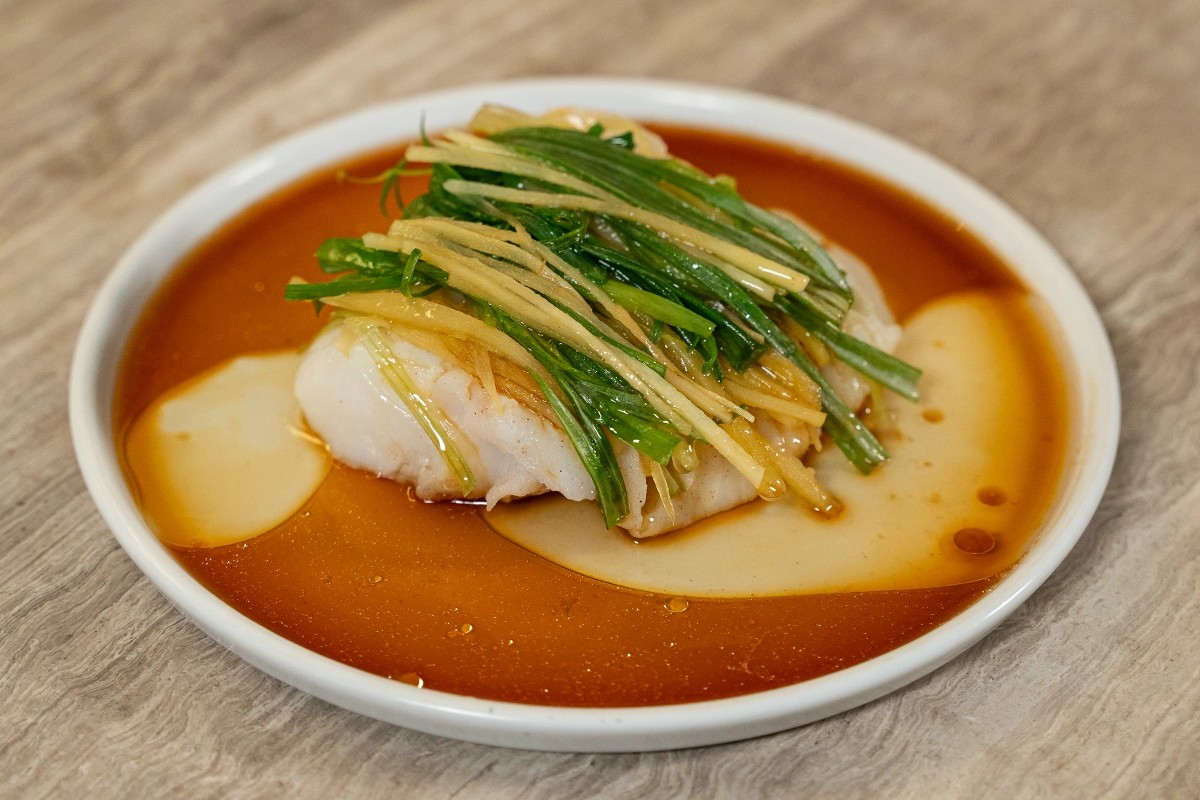
- Vietnamese Steamed Fish with Ginger (Cá Hấp Gừng) Recipe35 Minutes
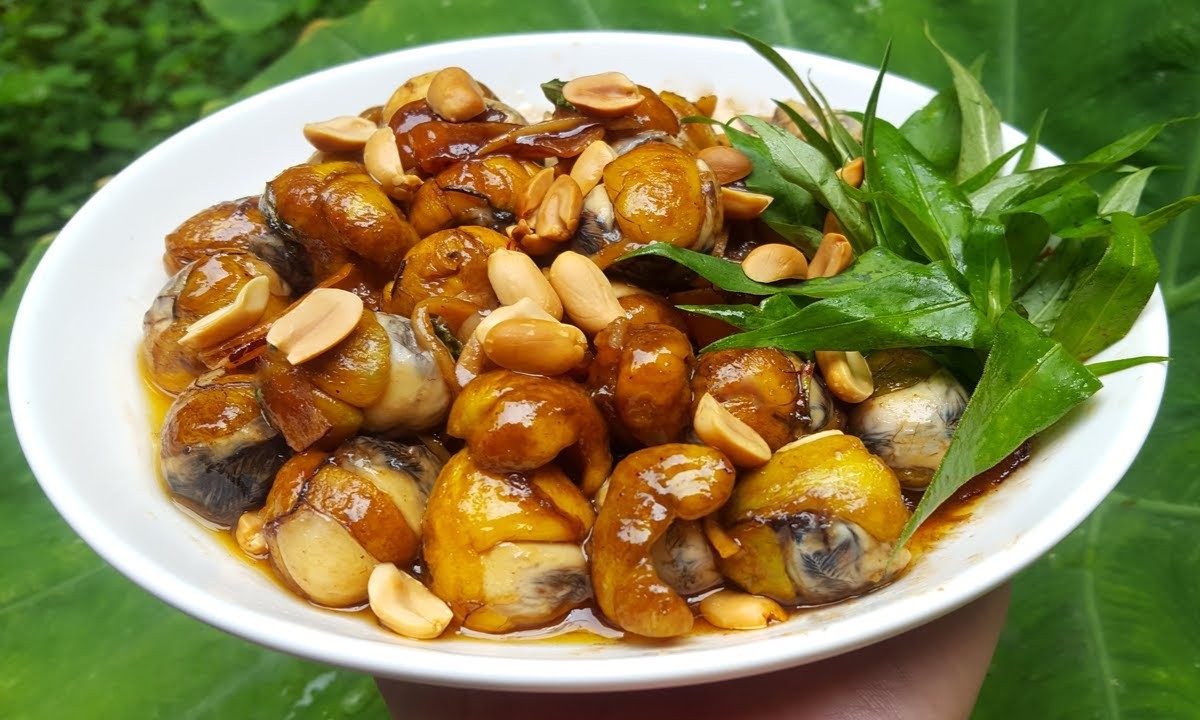
- Vietnamese Tamarind Stir-Fried Quail Balut (Trứng Cút Lộn Xào Me) Recipe35 Minutes






Leave a Reply