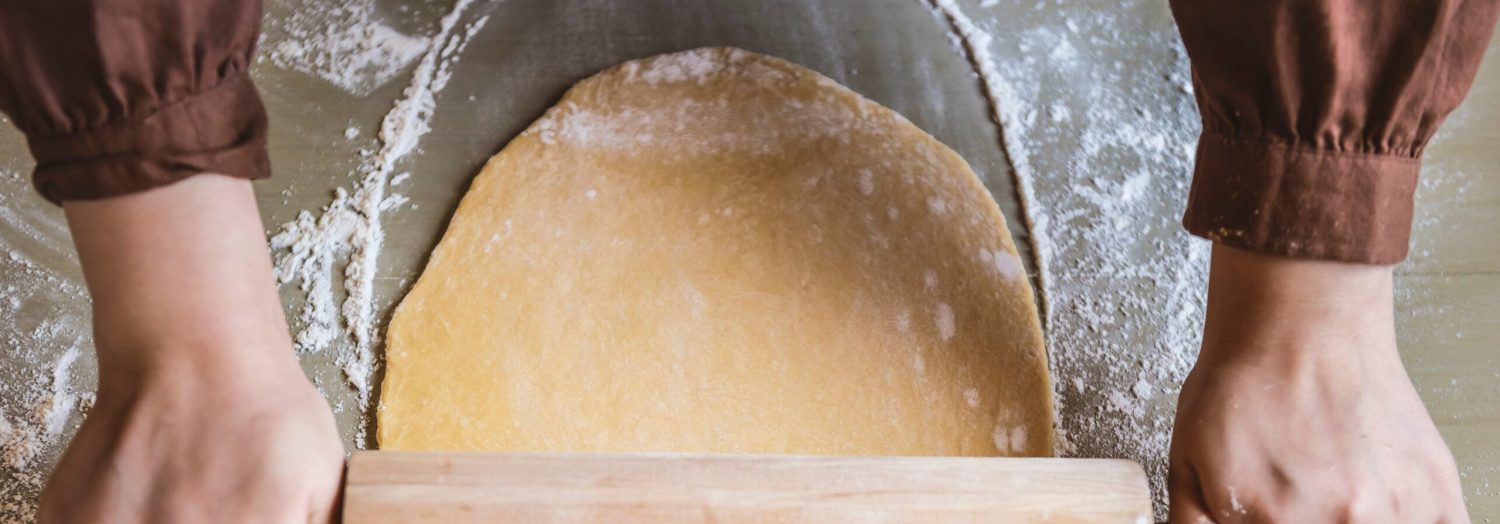
Experience the vibrant flavors of Vietnamese street food with this delightful Hủ Tiếu Gõ recipe. This dish combines tender slices of pork shoulder with rice noodles, fresh bean sprouts, and aromatic herbs, creating a harmonious blend of textures and tastes that will transport you straight to the bustling streets of Vietnam.
Some ingredients in this recipe might not be staples in every kitchen. Fish sauce and soy sauce are essential for achieving the authentic Vietnamese flavor, so make sure to pick them up at the supermarket. Fresh herbs like cilantro and basil add a burst of freshness, and bean sprouts provide a satisfying crunch.
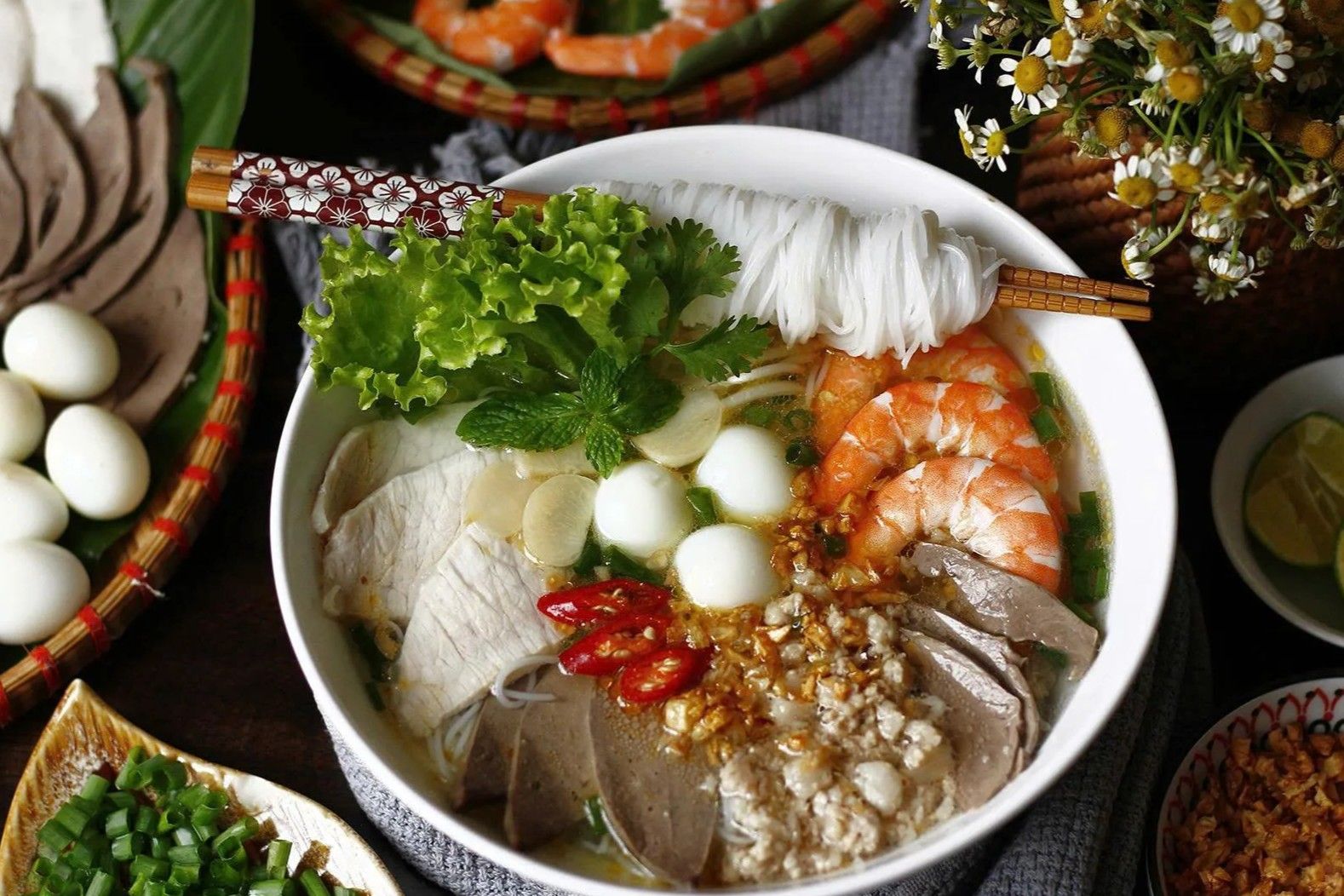
INGREDIENTS FOR Vietnamese Street-Style Pork Noodles
Pork shoulder: Thinly sliced to ensure quick and even cooking.
Rice noodles: The base of the dish, providing a chewy texture that absorbs the flavors of the sauce.
Fish sauce: Adds a salty, umami depth to the dish.
Soy sauce: Enhances the savory profile of the noodles.
Sugar: Balances the saltiness and adds a hint of sweetness.
Garlic: Minced to release its aromatic qualities.
Vegetable oil: Used for sautéing the garlic and pork.
Bean sprouts: Adds a fresh, crunchy texture.
Green onions: Chopped for a mild onion flavor and vibrant color.
Fresh herbs: A mix of cilantro and basil to garnish and add freshness.
Technique Tip for Perfecting This Dish
When slicing the pork shoulder, make sure to cut against the grain. This will help ensure that the meat remains tender and easier to chew. Additionally, when cooking the garlic, be careful not to let it burn as it can turn bitter. For the noodles, rinse them under cold water after cooking to prevent them from sticking together. Finally, when adding the fresh herbs as a topping, do so just before serving to maintain their vibrant flavor and texture.
SIDE DISHES
Substitute ingredients
pork shoulder - Substitute with chicken thigh: Chicken thigh provides a similar texture and richness, making it a good alternative for those who prefer poultry.
rice noodles - Substitute with glass noodles: Glass noodles have a similar chewy texture and can absorb flavors well, making them a suitable replacement.
fish sauce - Substitute with soy sauce: Soy sauce can provide a similar umami flavor, though it lacks the distinct fishy taste of fish sauce.
soy sauce - Substitute with tamari: Tamari is a gluten-free alternative that offers a similar depth of flavor.
sugar - Substitute with honey: Honey can add a similar sweetness with a slightly different flavor profile.
garlic - Substitute with shallots: Shallots can provide a similar aromatic quality and depth of flavor.
vegetable oil - Substitute with canola oil: Canola oil has a neutral flavor and similar cooking properties.
bean sprouts - Substitute with snow peas: Snow peas offer a similar crunch and fresh taste, making them a good alternative.
green onions - Substitute with chives: Chives provide a similar mild onion flavor and can be used in the same way.
fresh herbs (cilantro, basil) - Substitute with mint and parsley: Mint and parsley can provide a fresh and aromatic quality similar to cilantro and basil.
Alternative Recipes Similar to This Dish
How to Store or Freeze This Recipe
- Allow the pork noodles to cool completely before storing. This helps prevent condensation, which can make the noodles soggy.
- Transfer the cooled noodles and pork mixture into an airtight container. If possible, use a container with separate compartments to keep the noodles and pork apart, maintaining their texture.
- Store the container in the refrigerator if you plan to consume the dish within 3-4 days. For longer storage, place the container in the freezer.
- When freezing, consider portioning the noodles and pork into individual servings. This makes it easier to reheat only what you need.
- To reheat, if refrigerated, transfer the desired portion to a microwave-safe dish and cover with a damp paper towel. Microwave on medium power for 2-3 minutes, stirring halfway through.
- For frozen portions, thaw the noodles and pork in the refrigerator overnight. Reheat using the microwave method or in a skillet over medium heat until thoroughly warmed.
- Fresh herbs like cilantro and basil should be stored separately in a small container or plastic bag with a damp paper towel to keep them fresh. Add these herbs just before serving to maintain their vibrant flavor and texture.
- Avoid reheating the bean sprouts as they can become mushy. Instead, add fresh bean sprouts to the reheated dish for a crisp texture.
- If the noodles seem dry after reheating, add a splash of soy sauce or a bit of vegetable oil to revive their moisture and flavor.
How to Reheat Leftovers
Stovetop Method:
- Heat a non-stick pan over medium heat.
- Add a small amount of vegetable oil to the pan.
- Add the leftover Vietnamese Street-Style Pork Noodles to the pan.
- Stir occasionally to ensure even heating, for about 5-7 minutes.
- If the noodles seem dry, add a splash of water or broth to moisten them.
Microwave Method:
- Place the noodles in a microwave-safe dish.
- Add a splash of water or broth to keep them from drying out.
- Cover the dish with a microwave-safe lid or plastic wrap, leaving a small vent.
- Microwave on medium power for 2-3 minutes, stirring halfway through.
- Check if the noodles are heated through; if not, continue in 30-second intervals.
Oven Method:
- Preheat your oven to 350°F (175°C).
- Place the noodles in an oven-safe dish.
- Add a splash of water or broth to keep them moist.
- Cover the dish with aluminum foil.
- Bake for about 15-20 minutes, or until heated through.
Steaming Method:
- Set up a steamer or use a pot with a steaming rack.
- Place the noodles in a heatproof dish that fits in the steamer.
- Steam for about 5-10 minutes, or until heated through.
- Stir occasionally to ensure even heating.
Boiling Water Method:
- Bring a pot of water to a boil.
- Place the noodles in a heatproof colander or strainer.
- Dip the colander into the boiling water for about 1-2 minutes.
- Remove and let drain, then serve immediately.
Essential Tools for Making This Recipe
Large pot: Used for cooking the pork and combining all the ingredients together.
Medium pot: Used for boiling the rice noodles according to the package instructions.
Strainer: Used to drain the cooked rice noodles.
Cutting board: Used for slicing the pork shoulder and chopping the green onions and herbs.
Sharp knife: Essential for thinly slicing the pork shoulder and chopping the green onions and herbs.
Measuring spoons: Used for measuring the fish sauce, soy sauce, sugar, and vegetable oil.
Wooden spoon: Used for stirring the ingredients in the pot.
Serving bowls: Used for serving the finished dish.
Tongs: Useful for tossing the noodles and other ingredients together in the pot.
Garlic press: Used for mincing the garlic, if you prefer not to do it by hand.
How to Save Time on This Recipe
Prep ingredients ahead: Slice the pork shoulder and chop the green onions in advance to save time during cooking.
Use pre-cooked noodles: Opt for pre-cooked rice noodles to skip the boiling step.
Minimize cleanup: Cook the pork and mix the noodles in the same pot to reduce dishwashing.
Ready-to-use herbs: Buy pre-washed fresh herbs like cilantro and basil to save prep time.
Quick marinade: Marinate the pork with fish sauce, soy sauce, and sugar while prepping other ingredients.
Vietnamese Street-Style Pork Noodles (Hủ Tiếu Gõ)

Equipment
- Large pot
- Strainer
- Frying Pan
Ingredients
Main Ingredients
- 400 g Pork shoulder, thinly sliced
- 200 g Rice noodles
- 2 tablespoon Fish sauce
- 1 tablespoon Soy sauce
- 1 tablespoon Sugar
- 1 clove Garlic, minced
- 1 tablespoon Vegetable oil
- 1 cup Bean sprouts
- 2 stalks Green onions, chopped
- 1 cup Fresh herbs (cilantro, basil)
Instructions
- 1. Cook the rice noodles according to the package instructions. Drain and set aside.
- 2. In a large pot, heat the vegetable oil over medium heat. Add the minced garlic and sauté until fragrant.
- 3. Add the sliced pork to the pot and cook until browned.
- 4. Stir in the fish sauce, soy sauce, and sugar. Cook for another 2-3 minutes.
- 5. Add the cooked noodles, bean sprouts, and green onions to the pot. Toss everything together until well combined and heated through.
- 6. Serve the noodles in bowls, topped with fresh herbs.
Notes
Nutrition
Suggested Appetizers and Desserts for This Recipe
More Amazing Recipes to Try 🙂
- Best Cooking Calculators for Recipe Conversions
- Vietnamese Clear Tapioca Dumplings (Bánh Bột Lọc) Recipe50 Minutes
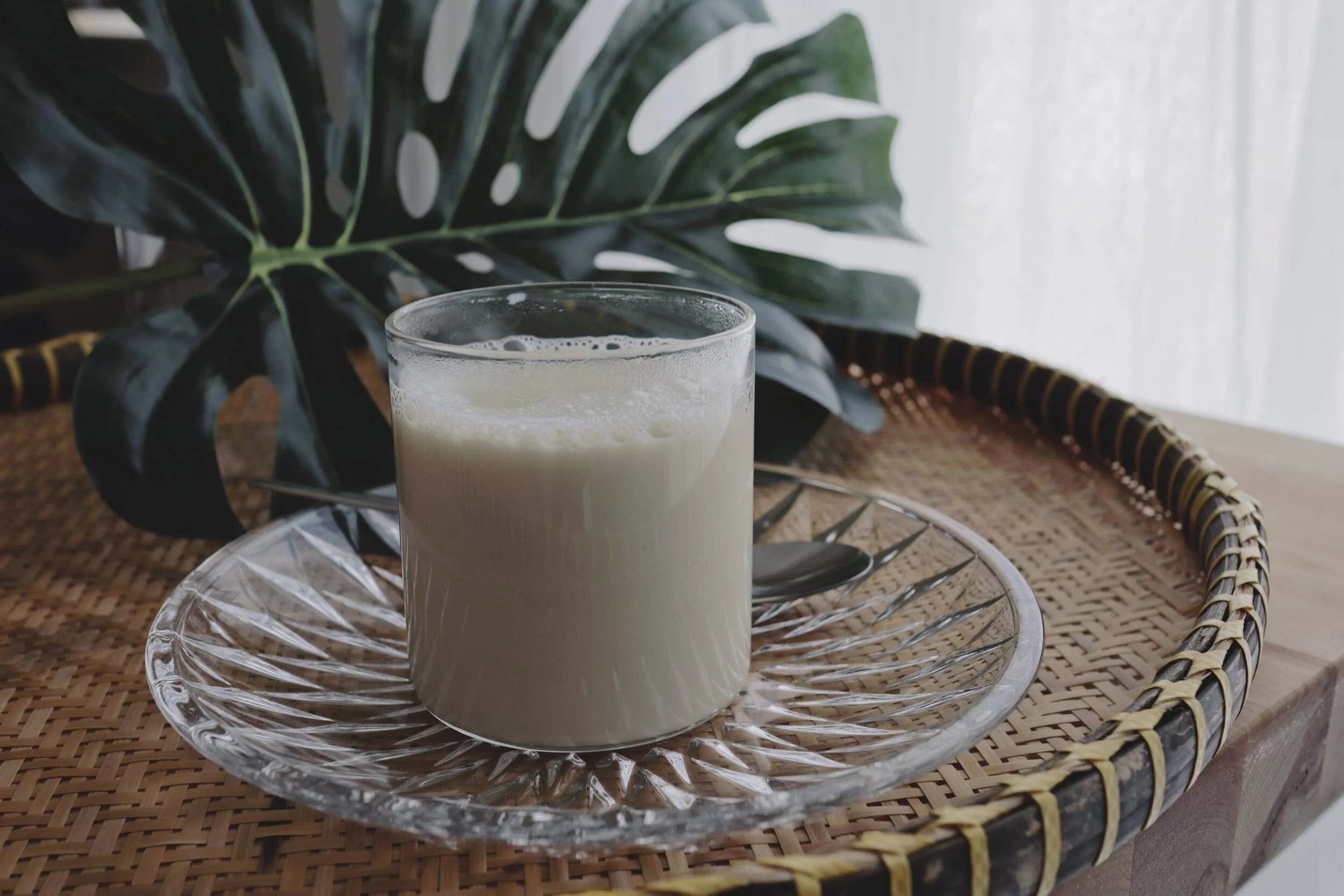
- Vietnamese Soy Milk (Sữa Đậu Nành) Recipe8 Minutes
- Vietnamese Sticky Rice Balls in Ginger Syrup (Chè Trôi Nước) Recipe50 Minutes
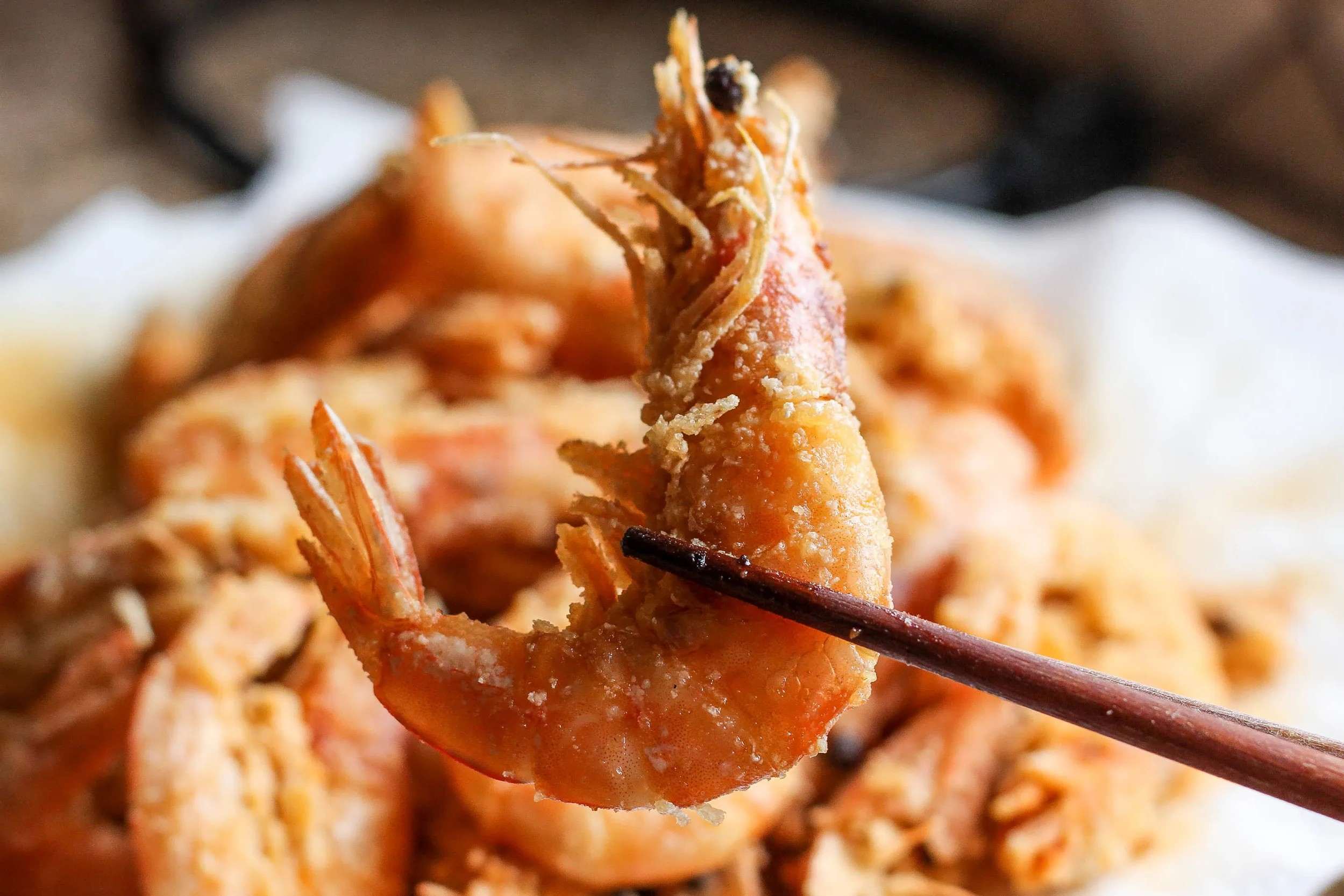
- Vietnamese Salt Roasted Shrimp (Tôm Rang Muối) Recipe25 Minutes
- Vietnamese Fried Rice Flour Cakes (Bột Chiên) Recipe30 Minutes
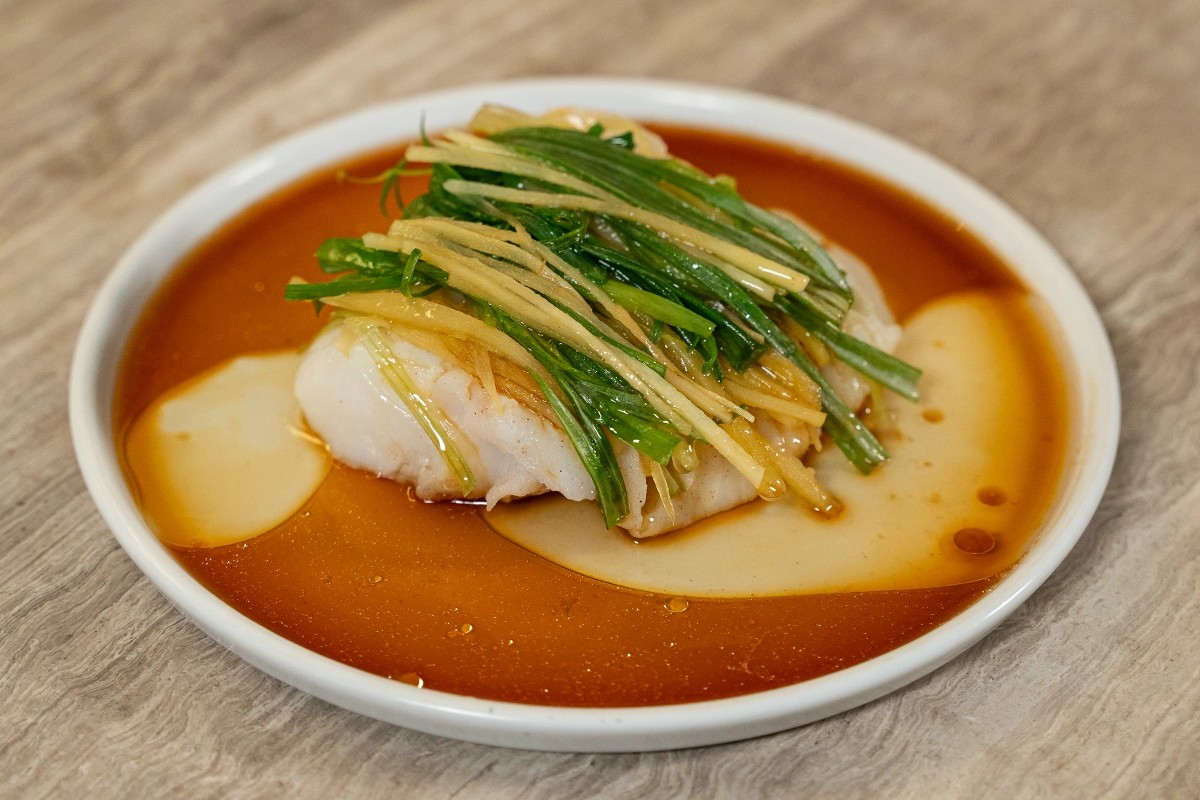
- Vietnamese Steamed Fish with Ginger (Cá Hấp Gừng) Recipe35 Minutes
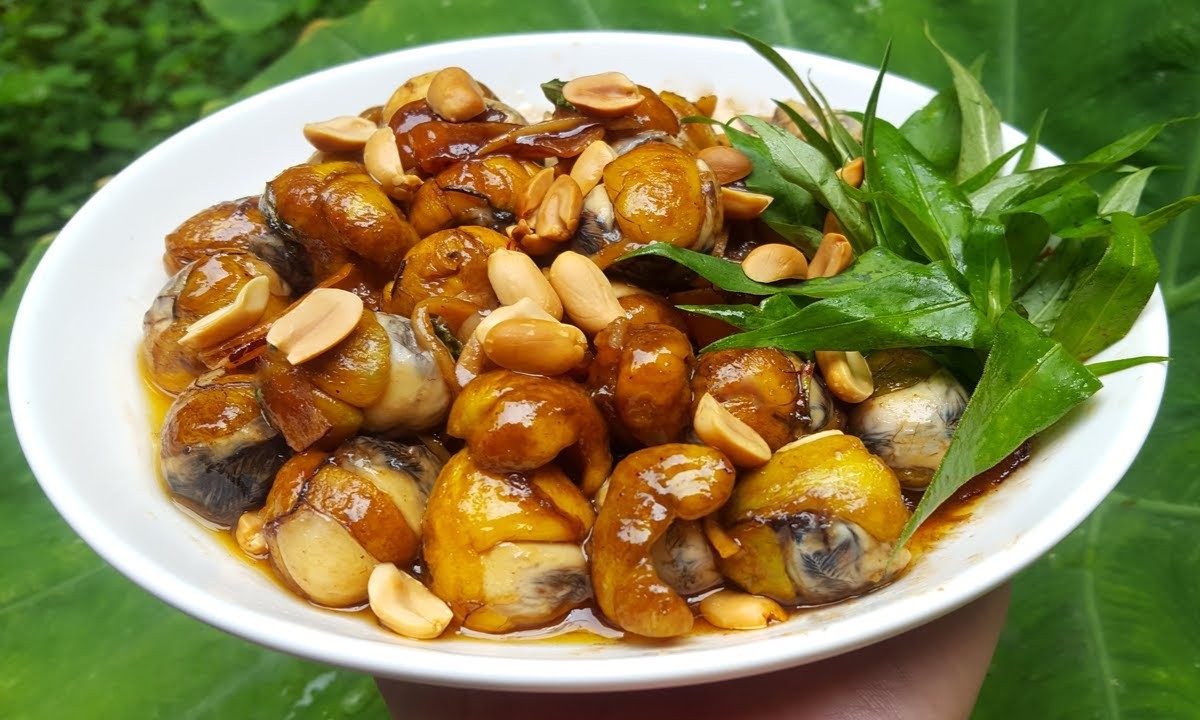
- Vietnamese Tamarind Stir-Fried Quail Balut (Trứng Cút Lộn Xào Me) Recipe35 Minutes





Leave a Reply