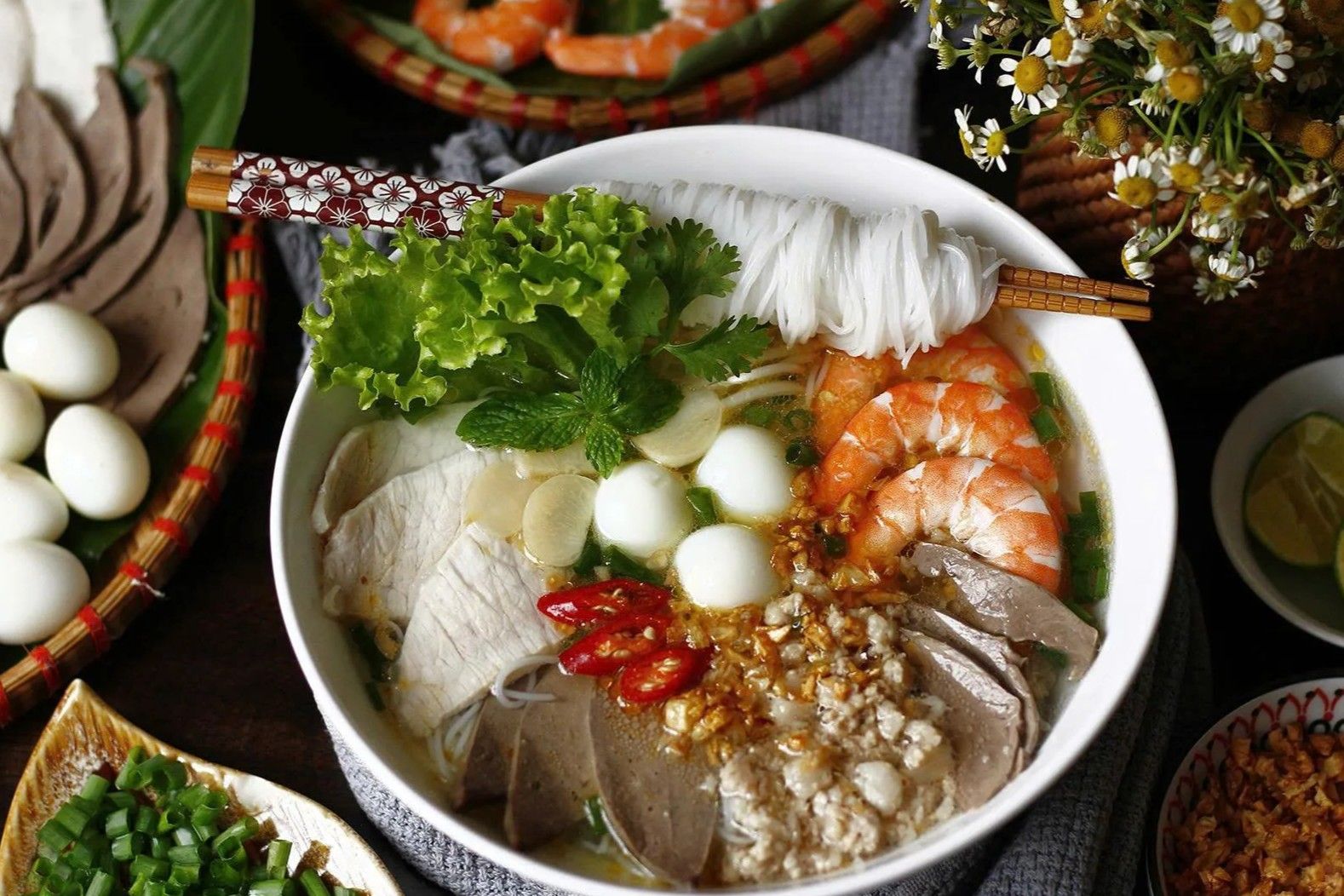
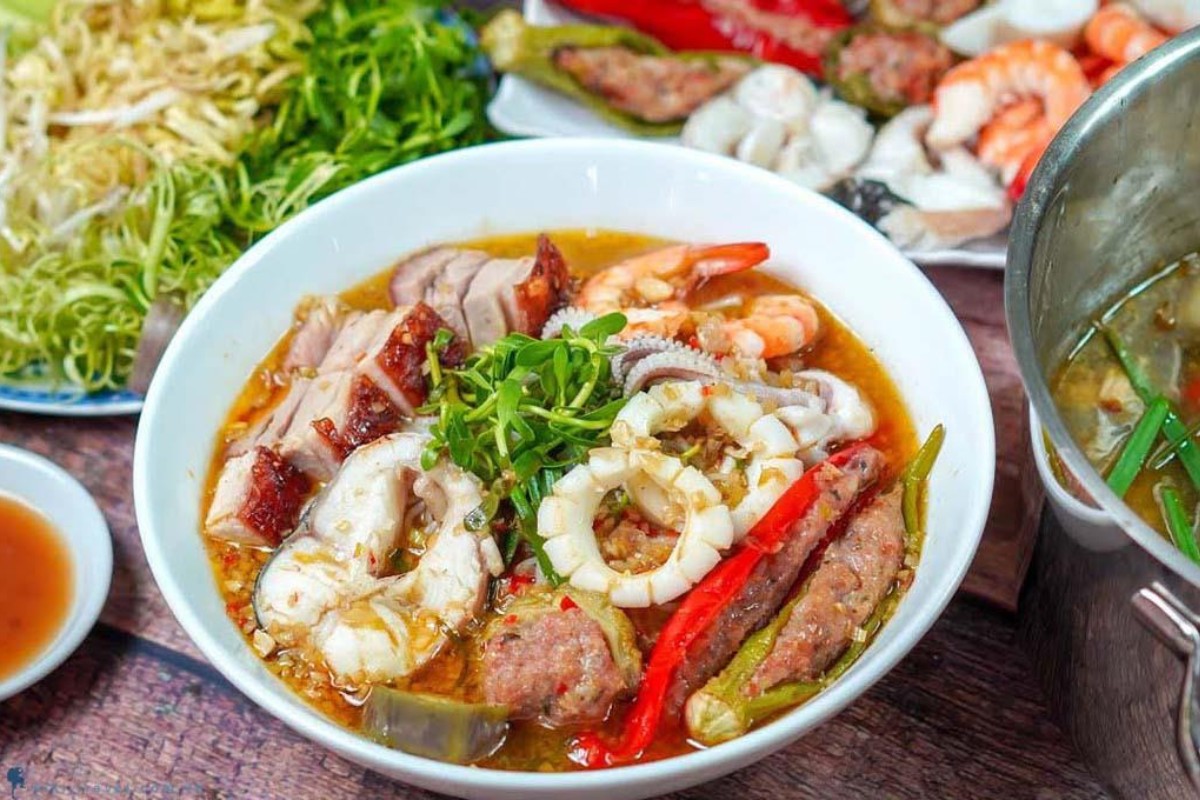
Dive into the rich and flavorful world of Vietnamese cuisine with this delightful Hủ Tiếu Nam Vang. This pork and seafood noodle soup is a comforting bowl of goodness, combining tender pork bones, succulent shrimp, and fresh squid with aromatic rice noodles. Perfect for any meal, this soup is sure to warm your soul and tantalize your taste buds.
Some ingredients in this recipe might not be staples in every household. Pork bones can be found in the meat section or at a butcher shop. Fish sauce is a key ingredient in Vietnamese cuisine and can be found in the Asian food aisle. Fresh shrimp and squid are available at the seafood counter. Make sure to check the international section for rice noodles if they are not in the pasta aisle.

INGREDIENTS FOR Vietnamese Pork & Seafood Noodle Soup (Hủ Tiếu Nam Vang)
Pork bones: Used to create a rich and flavorful broth base for the soup.
Shrimp: Adds a sweet and delicate seafood flavor to the soup.
Squid: Provides a tender and slightly chewy texture, enhancing the seafood profile.
Rice noodles: The main carbohydrate component, offering a soft and slippery texture.
Fish sauce: A staple in Vietnamese cooking, adding umami and depth to the broth.
Salt: Enhances the overall flavor of the soup.
Sugar: Balances the savory and salty elements with a hint of sweetness.
Black pepper: Adds a mild heat and aromatic quality to the soup.
Garlic: Provides a pungent and aromatic base flavor.
Onion: Adds sweetness and depth to the broth.
Water: The base liquid for the soup, used to simmer and extract flavors from the ingredients.
Technique Tip for Making This Vietnamese Noodle Soup
When preparing pork bones for the broth, it's essential to blanch them first. This process involves boiling the bones in water for about 5 minutes and then discarding that water. This step helps to remove impurities and results in a clearer, cleaner-tasting broth. After blanching, rinse the bones under cold water before adding them to the pot with fresh water to start your soup base. This technique ensures that your broth will have a more refined flavor and appearance.
SIDE DISHES
Substitute ingredients
pork bones - Substitute with chicken bones: Chicken bones can provide a similar depth of flavor and richness to the broth.
peeled and deveined shrimp - Substitute with scallops: Scallops have a similar texture and sweetness, making them a good alternative.
cleaned and sliced squid - Substitute with fish fillets: Fish fillets like cod or tilapia can mimic the texture and absorb the flavors well.
rice noodles - Substitute with glass noodles: Glass noodles have a similar light and chewy texture, suitable for soups.
fish sauce - Substitute with soy sauce: Soy sauce can provide a similar umami flavor, though it will be less fishy.
salt - Substitute with sea salt: Sea salt can be used in the same quantity and provides a similar level of saltiness.
sugar - Substitute with honey: Honey can add a similar sweetness with a slightly different flavor profile.
black pepper - Substitute with white pepper: White pepper has a similar heat level but a slightly different flavor, which can add a unique twist.
minced garlic - Substitute with garlic powder: Garlic powder can provide a similar garlic flavor, though it is less pungent.
sliced onion - Substitute with shallots: Shallots have a milder and sweeter flavor, which can complement the soup well.
water - Substitute with chicken broth: Chicken broth can add more depth and richness to the soup compared to plain water.
Other Alternative Recipes Similar to This Vietnamese Noodle Soup
How To Store / Freeze This Vietnamese Noodle Soup
Allow the soup to cool completely before storing. This helps prevent condensation, which can lead to a watery broth and spoilage.
Use airtight containers or heavy-duty freezer bags to store the soup. Make sure to leave some space at the top of the container or bag to allow for expansion as the soup freezes.
For the noodles, store them separately from the broth. This prevents them from becoming mushy. Place the cooked rice noodles in a separate airtight container.
Label each container with the date and contents. This helps you keep track of how long the soup has been stored and ensures you use it within a safe timeframe.
If you plan to consume the soup within a few days, store it in the refrigerator. It will keep well for up to 3-4 days.
For longer storage, place the soup in the freezer. It can be frozen for up to 2-3 months without losing much of its flavor and texture.
When ready to reheat, thaw the soup in the refrigerator overnight if frozen. This gradual thawing helps maintain the quality of the broth and seafood.
Reheat the broth on the stove over medium heat until it reaches a simmer. Add the noodles just before serving to ensure they remain firm and flavorful.
If you notice any changes in smell, color, or texture, it's best to discard the soup to avoid any risk of foodborne illness.
How To Reheat Leftovers
Gently reheat the soup on the stovetop over medium heat. Stir occasionally to ensure even heating. This method helps maintain the integrity of the shrimp and squid, preventing them from becoming rubbery.
If you're in a hurry, use the microwave. Place the soup in a microwave-safe bowl, cover it with a microwave-safe lid or plastic wrap, and heat on high for 2-3 minutes. Stir halfway through to ensure even heating.
For the rice noodles, it's best to reheat them separately. Briefly dip them in boiling water for about 30 seconds to 1 minute, just until they are warmed through. This prevents them from becoming mushy.
Combine the reheated soup and noodles in a bowl just before serving. Garnish with fresh herbs like cilantro or Thai basil to refresh the flavors.
If you have leftover pork bones in the soup, remove them before reheating to make it easier to stir and serve. You can add them back in once the soup is hot.
To enhance the flavor, consider adding a splash of fish sauce or a squeeze of lime juice just before serving. This can revive the soup and give it a fresh, vibrant taste.
Best Tools for Making This Vietnamese Noodle Soup
Large pot: Used to boil the pork bones and create the broth for the soup.
Separate pot: Used to cook the rice noodles according to package instructions.
Ladle: Used to serve the soup into bowls.
Knife: Used to slice the onion and clean the squid.
Cutting board: Surface for slicing the onion and preparing the squid.
Measuring spoons: Used to measure the fish sauce, salt, sugar, and black pepper.
Garlic press: Used to mince the garlic cloves.
Strainer: Used to drain the cooked rice noodles.
Serving bowls: Used to serve the finished noodle soup.
Tongs: Used to handle the noodles and seafood during cooking.
Wooden spoon: Used to stir the soup and ensure even cooking.
How to Save Time on Making This Vietnamese Noodle Soup
Prepare ingredients in advance: Chop garlic, slice onion, and clean shrimp and squid ahead of time.
Use pre-made broth: Substitute homemade broth with store-bought pork broth to save simmering time.
Cook noodles ahead: Prepare rice noodles in advance and store them in cold water to prevent sticking.
Multitask: While the pork bones are simmering, prepare other ingredients to streamline the process.
Use a pressure cooker: Speed up cooking pork bones by using a pressure cooker to reduce simmering time.
Vietnamese Pork & Seafood Noodle Soup (Hủ Tiếu Nam Vang) Recipe

Equipment
- Large pot
- Strainer
- Knife
- Cutting board
Ingredients
Main Ingredients
- 500 g Pork bones
- 200 g Shrimp peeled and deveined
- 200 g Squid cleaned and sliced
- 200 g Rice noodles
- 1 tablespoon Fish sauce
- 1 teaspoon Salt
- 1 teaspoon Sugar
- 1 teaspoon Black pepper
- 2 cloves Garlic minced
- 1 medium Onion sliced
- 2 liters Water
Instructions
- 1. In a large pot, add pork bones and water. Bring to a boil, then reduce to a simmer and cook for 30 minutes.
- 2. Add shrimp and squid to the pot. Cook for another 10 minutes.
- 3. In a separate pot, cook rice noodles according to package instructions. Drain and set aside.
- 4. Add fish sauce, salt, sugar, black pepper, garlic, and onion to the soup. Simmer for another 10 minutes.
- 5. To serve, place noodles in bowls and ladle the soup over them. Garnish with fresh herbs if desired.
Notes
Nutrition
Suggested Appetizers and Desserts for This Vietnamese Noodle Soup
More Amazing Recipes to Try 🙂
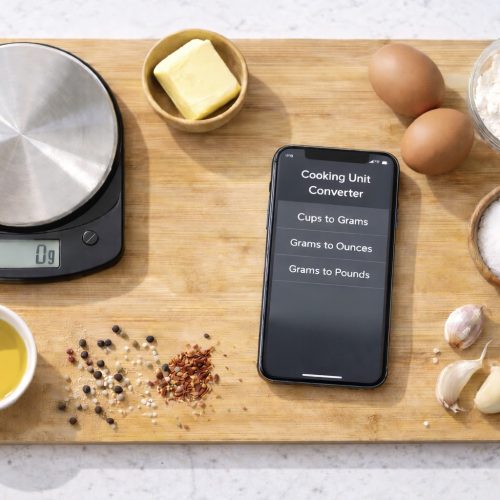
- Best Cooking Calculators for Recipe Conversions
- Vietnamese Clear Tapioca Dumplings (Bánh Bột Lọc) Recipe50 Minutes
- Vietnamese Soy Milk (Sữa Đậu Nành) Recipe8 Minutes
- Vietnamese Sticky Rice Balls in Ginger Syrup (Chè Trôi Nước) Recipe50 Minutes
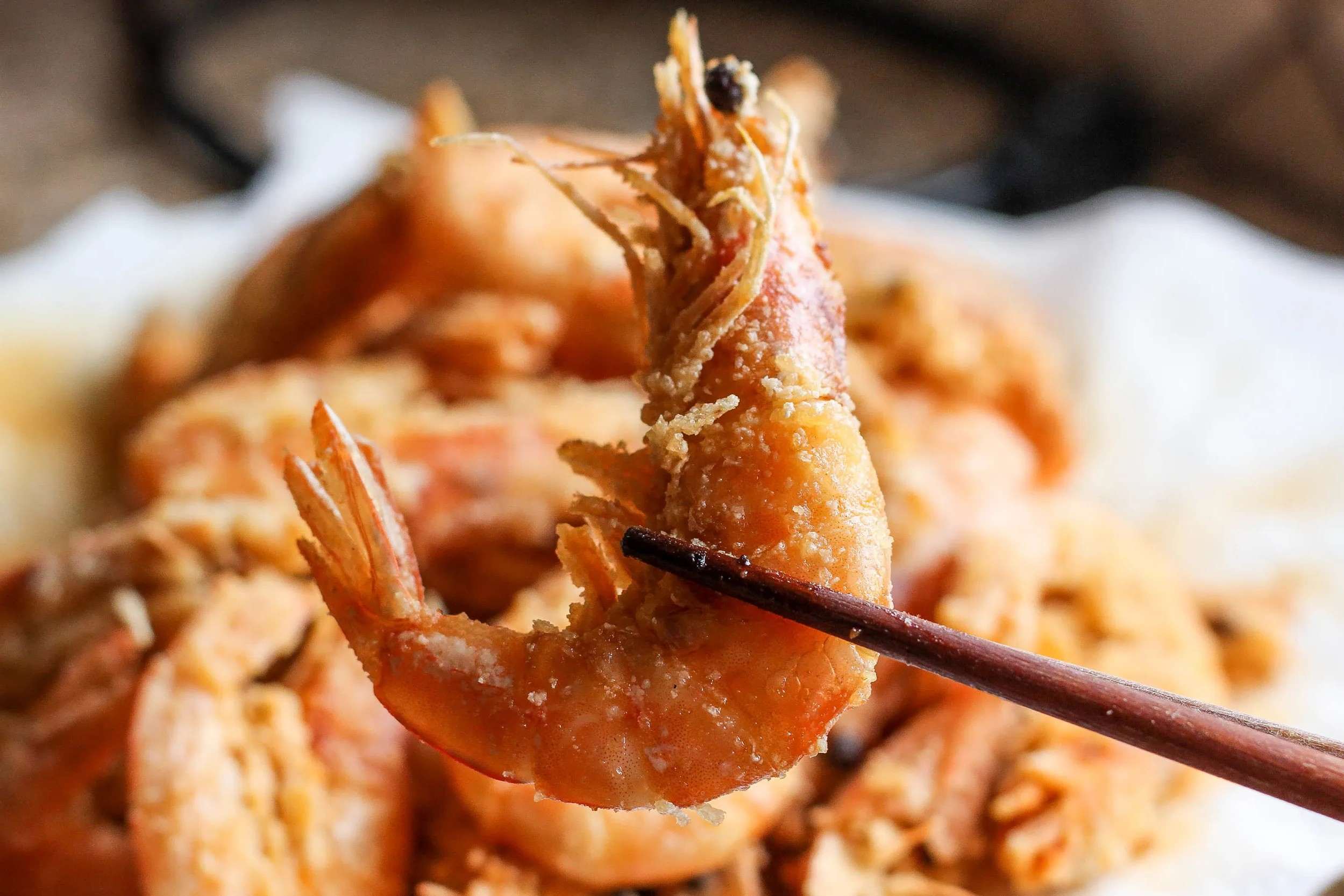
- Vietnamese Salt Roasted Shrimp (Tôm Rang Muối) Recipe25 Minutes
- Vietnamese Fried Rice Flour Cakes (Bột Chiên) Recipe30 Minutes
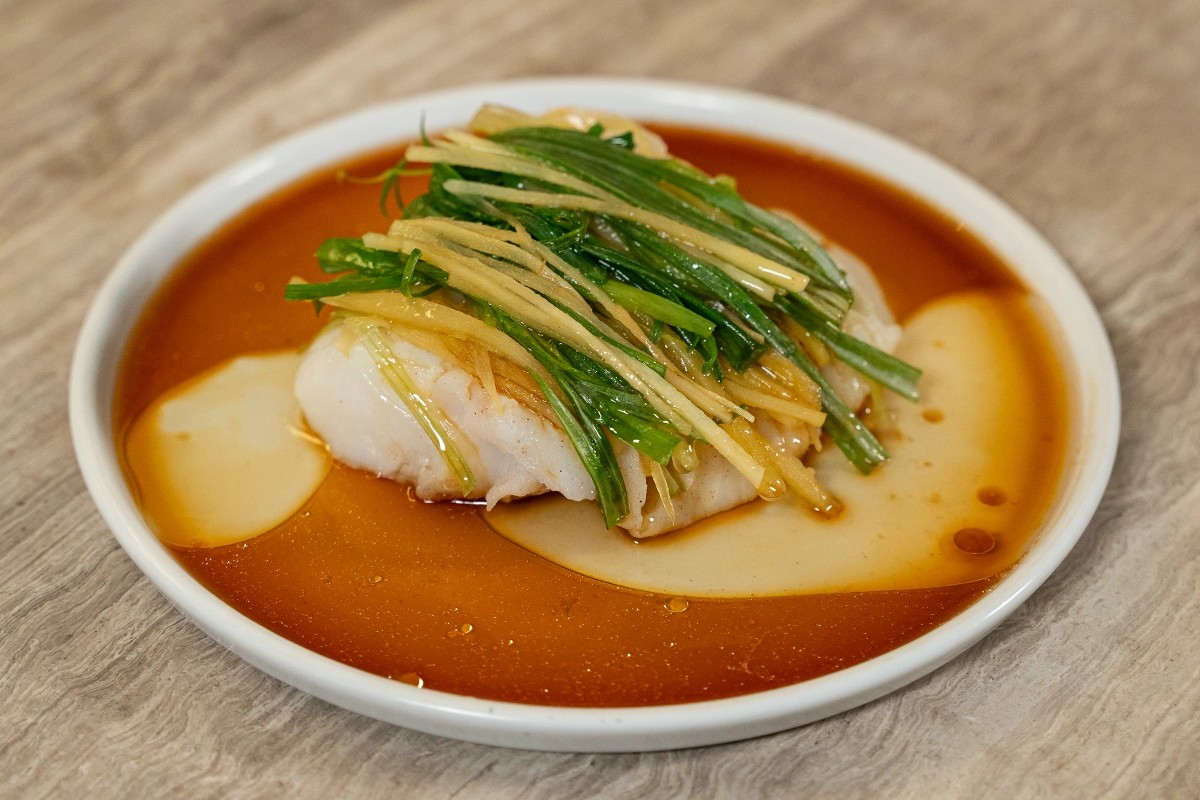
- Vietnamese Steamed Fish with Ginger (Cá Hấp Gừng) Recipe35 Minutes
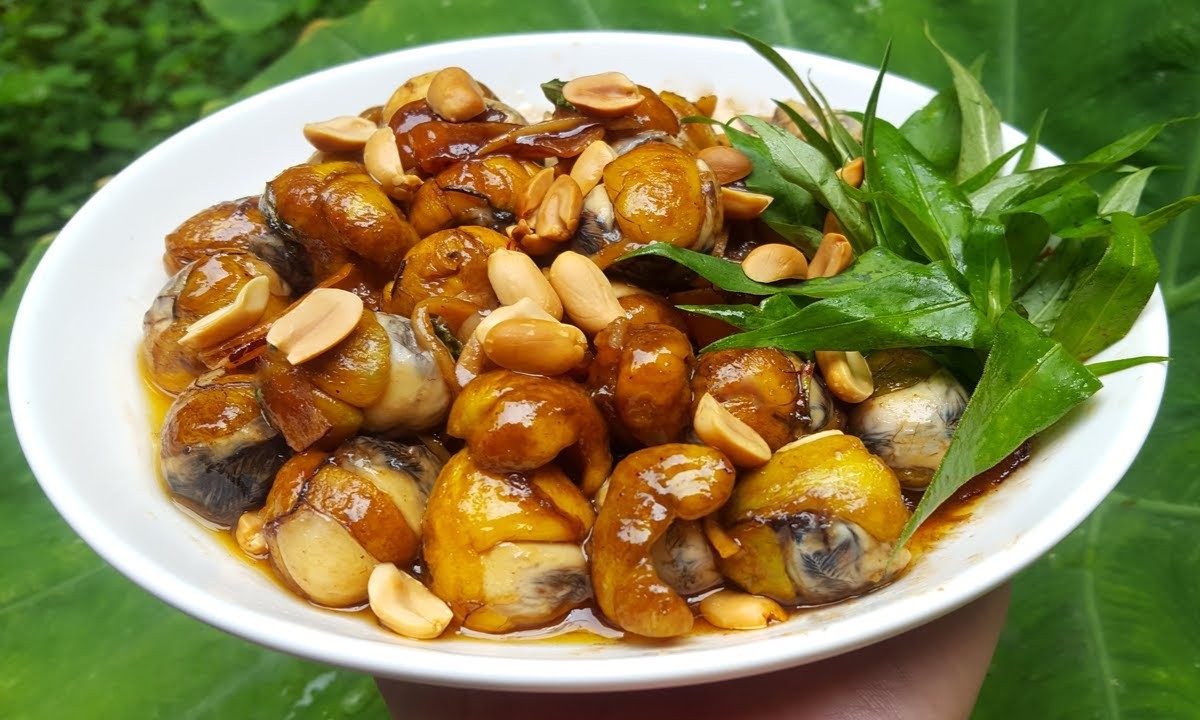
- Vietnamese Tamarind Stir-Fried Quail Balut (Trứng Cút Lộn Xào Me) Recipe35 Minutes






Leave a Reply