
Vietnamese Sour Tamarind Soup, or Canh Chua, is a delightful and tangy dish that perfectly balances sweet, sour, and savory flavors. This traditional soup is a staple in Vietnamese cuisine, often enjoyed as a comforting meal. The combination of catfish, pineapple, and fresh herbs creates a unique and refreshing taste that is both nourishing and satisfying.
Some ingredients in this recipe might not be commonly found in every household. Tamarind paste is essential for the sour flavor and can usually be found in the Asian section of your supermarket. Fish sauce is another key ingredient that adds umami depth to the soup. Fresh herbs like cilantro, Thai basil, and rice paddy herb might require a trip to an Asian grocery store.
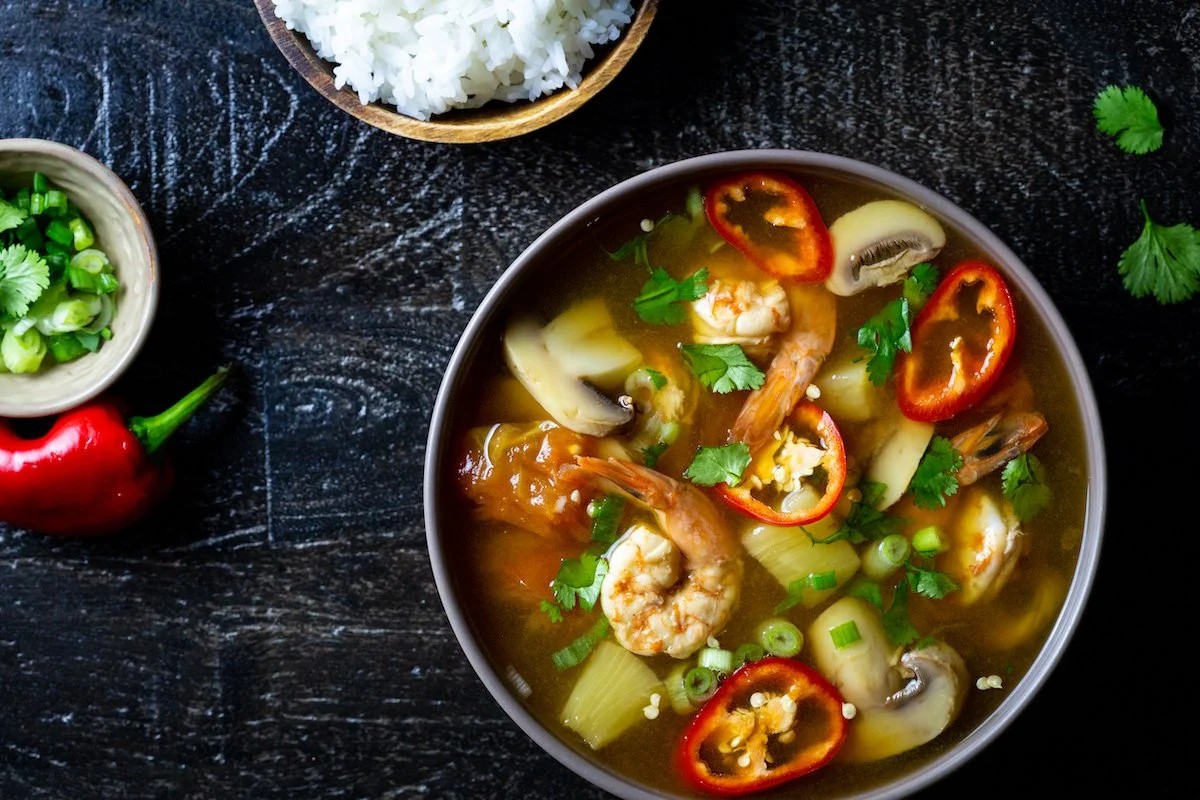
INGREDIENTS FOR Vietnamese Sour Tamarind Soup (Canh Chua)
Catfish: Provides a tender and flavorful protein base for the soup.
Pineapple: Adds a sweet and tangy flavor that complements the sourness of the tamarind.
Bean sprouts: Adds a crunchy texture and freshness to the soup.
Tomatoes: Contributes a slight acidity and sweetness, enhancing the overall flavor.
Okra: Adds a unique texture and helps to thicken the soup slightly.
Tamarind paste: The key ingredient that gives the soup its signature sour taste.
Fish sauce: Adds a deep umami flavor that is characteristic of Vietnamese cuisine.
Sugar: Balances the sourness and enhances the overall flavor profile.
Salt: Essential for seasoning and bringing out the flavors of the ingredients.
Water: Forms the base of the soup, allowing all the flavors to meld together.
Cilantro, Thai basil, Rice paddy herb: Fresh herbs that add aromatic and fresh notes to the soup.
Technique Tip for This Recipe
When preparing tamarind paste, ensure it is fully dissolved in water before adding it to the pot. This will help distribute the sour flavor evenly throughout the soup. To achieve this, you can use a fine mesh strainer to remove any undissolved pulp or seeds, resulting in a smoother broth.
SIDE DISHES
Substitute ingredients
catfish fillets - Substitute with tilapia fillets: Tilapia has a mild flavor and similar texture, making it a good alternative.
pineapple - Substitute with mango: Mango provides a similar sweetness and tropical flavor that complements the soup.
bean sprouts - Substitute with snow peas: Snow peas offer a similar crunch and fresh taste.
tomatoes - Substitute with red bell peppers: Red bell peppers provide a sweet and slightly tangy flavor similar to tomatoes.
okra - Substitute with zucchini: Zucchini has a similar texture and mild flavor that works well in soups.
tamarind paste - Substitute with lemon juice: Lemon juice provides the necessary acidity and sourness.
fish sauce - Substitute with soy sauce: Soy sauce offers a similar umami flavor, though it lacks the fishy undertone.
sugar - Substitute with honey: Honey provides a natural sweetness and can be used in the same quantity.
salt - Substitute with soy sauce: Soy sauce adds saltiness and additional umami flavor.
water - Substitute with vegetable broth: Vegetable broth adds more depth of flavor to the soup.
cilantro - Substitute with parsley: Parsley offers a fresh, slightly peppery flavor similar to cilantro.
thai basil - Substitute with regular basil: Regular basil provides a similar aromatic and slightly sweet flavor.
rice paddy herb - Substitute with mint: Mint offers a fresh, slightly sweet flavor that can mimic the unique taste of rice paddy herb.
Alternative Recipes Similar to This Dish
How to Store or Freeze This Dish
- Allow the Vietnamese Sour Tamarind Soup to cool to room temperature before storing. This helps prevent condensation, which can lead to a watery texture and spoilage.
- Transfer the soup into airtight containers. For best results, use containers that are specifically designed for freezing to maintain the freshness of the catfish, pineapple, and vegetables.
- Label the containers with the date of preparation. This ensures you keep track of how long the soup has been stored and helps you consume it while it's still at its best quality.
- Store the soup in the refrigerator if you plan to consume it within 3-4 days. The flavors of the tamarind paste and fresh herbs will meld together, enhancing the taste.
- For longer storage, place the containers in the freezer. The soup can be frozen for up to 2-3 months without significant loss of flavor or texture.
- When ready to reheat, thaw the soup in the refrigerator overnight if frozen. This gradual thawing helps maintain the integrity of the catfish and vegetables.
- Reheat the soup on the stovetop over medium heat. Stir occasionally to ensure even heating and to prevent the fish from breaking apart.
- Avoid reheating the soup in the microwave, as this can cause uneven heating and may alter the texture of the okra and bean sprouts.
- If the soup appears too thick after reheating, add a small amount of water or fish sauce to adjust the consistency and flavor.
- Garnish with additional fresh herbs like cilantro, thai basil, and rice paddy herb just before serving to refresh the flavors and add a burst of freshness.
How to Reheat Leftovers
Gently reheat the Vietnamese Sour Tamarind Soup on the stovetop over medium heat. Stir occasionally to ensure even heating and prevent the catfish from breaking apart. This method preserves the texture of the vegetables and fish.
If you're in a hurry, use the microwave. Place the soup in a microwave-safe bowl, cover it with a microwave-safe lid or plastic wrap, and heat on medium power in 1-minute intervals. Stir between intervals to ensure even heating. Be cautious not to overheat, as this can make the fish and vegetables mushy.
For an added layer of flavor, reheat the soup in a saucepan and add a splash of fresh fish sauce or a squeeze of lime juice just before serving. This will revive the bright, tangy notes of the soup.
If you have a slow cooker, you can reheat the soup on the low setting. This method is gentle and helps maintain the integrity of the ingredients. It’s perfect if you’re not in a rush and want to keep the soup warm for an extended period.
To avoid overcooking the bean sprouts and herbs, consider reheating the soup without them and adding fresh ones just before serving. This keeps the herbs vibrant and the bean sprouts crunchy.
If you have leftover rice, you can reheat it separately and add it to the soup just before serving. This prevents the rice from becoming overly soft and mushy.
Best Tools for This Recipe
Pot: Used to bring water to a boil and cook the soup ingredients.
Stirring spoon: Essential for stirring the tamarind paste into the boiling water and mixing the soup.
Knife: Necessary for cutting the catfish, pineapple, tomatoes, and okra into chunks and slices.
Cutting board: Provides a safe surface for cutting the ingredients.
Measuring cups: Used to measure the correct amounts of water, tamarind paste, fish sauce, and other ingredients.
Measuring spoons: Used to measure the sugar and salt accurately.
Serving bowl: Used to serve the finished soup.
Ladle: Useful for serving the soup into bowls.
How to Save Time on Making This Recipe
Prep ingredients in advance: Chop catfish, pineapple, tomatoes, and okra ahead of time to streamline cooking.
Use pre-made tamarind paste: Save time by using store-bought tamarind paste instead of making it from scratch.
Batch wash herbs: Wash and dry cilantro, thai basil, and rice paddy herb in one go to save time.
Quick boil method: Boil water in an electric kettle first, then transfer to the pot to speed up the process.
One-pot cooking: Use a single pot to minimize cleanup time.
Vietnamese Sour Tamarind Soup (Canh Chua)

Equipment
- Pot
- Knife
- Cutting board
Ingredients
Main Ingredients
- 200 g Catfish fillets cut into chunks
- 1 cup Pineapple cut into chunks
- 2 cups Bean sprouts
- 2 cups Tomatoes cut into wedges
- 1 cup Okra sliced
- 1 cup Tamarind paste dissolved in water
- 2 tablespoon Fish sauce
- 1 teaspoon Sugar
- 1 teaspoon Salt
- 4 cups Water
- 1 cup Fresh herbs cilantro, Thai basil, and rice paddy herb
Instructions
- 1. In a pot, bring water to a boil. Add tamarind paste and stir until dissolved.
- 2. Add catfish chunks and cook for 5-7 minutes until fish is cooked through.
- 3. Add pineapple, tomatoes, okra, and bean sprouts. Cook for another 5 minutes.
- 4. Season with fish sauce, sugar, and salt. Adjust seasoning to taste.
- 5. Turn off the heat and add fresh herbs. Serve hot.
Notes
Nutrition
Suggested Appetizers and Desserts
More Amazing Recipes to Try 🙂
- Best Cooking Calculators for Recipe Conversions
- Vietnamese Clear Tapioca Dumplings (Bánh Bột Lọc) Recipe50 Minutes
- Vietnamese Soy Milk (Sữa Đậu Nành) Recipe8 Minutes
- Vietnamese Sticky Rice Balls in Ginger Syrup (Chè Trôi Nước) Recipe50 Minutes
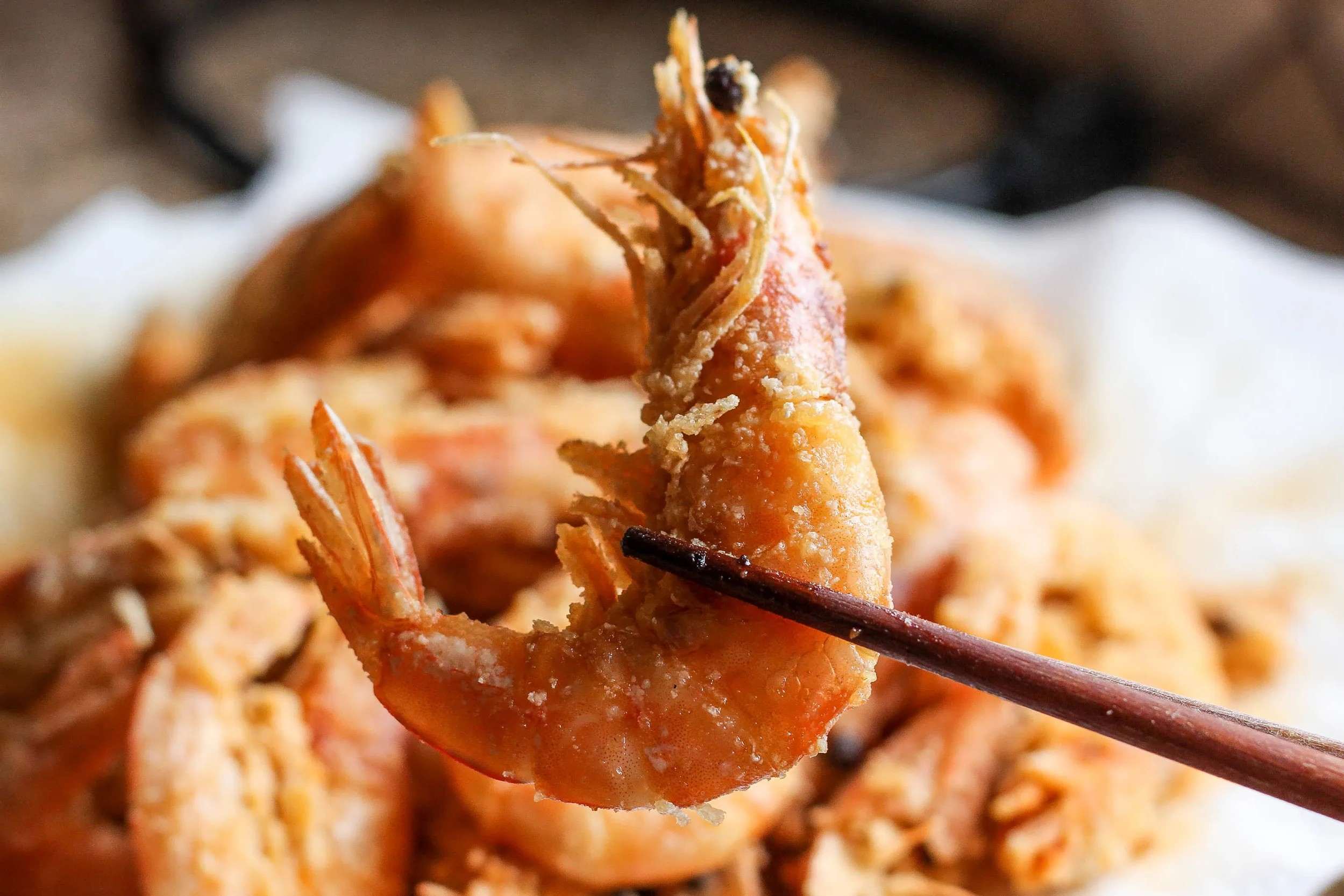
- Vietnamese Salt Roasted Shrimp (Tôm Rang Muối) Recipe25 Minutes
- Vietnamese Fried Rice Flour Cakes (Bột Chiên) Recipe30 Minutes
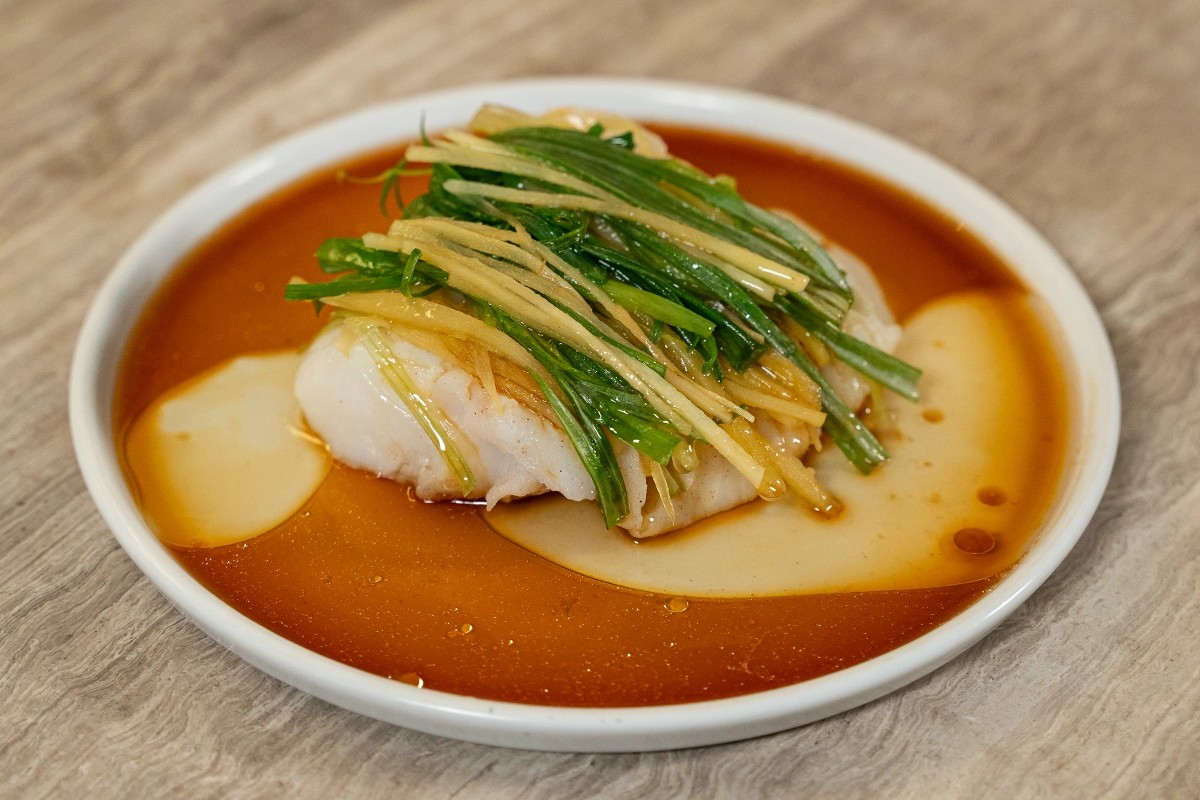
- Vietnamese Steamed Fish with Ginger (Cá Hấp Gừng) Recipe35 Minutes
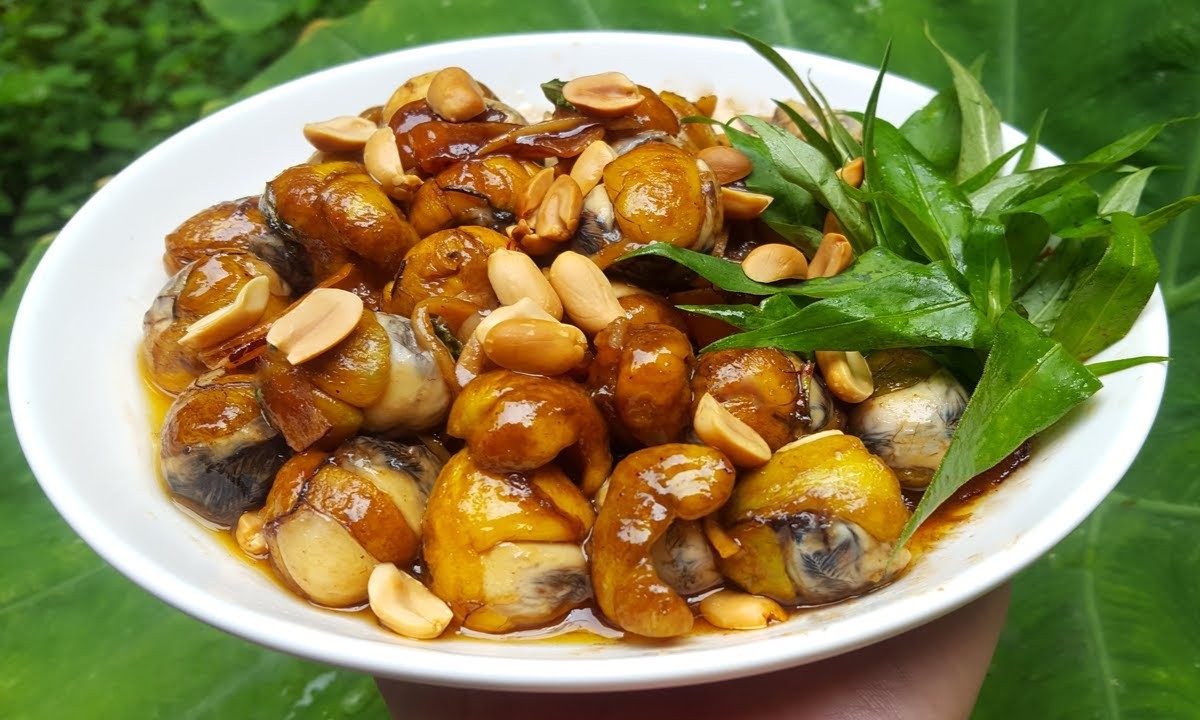
- Vietnamese Tamarind Stir-Fried Quail Balut (Trứng Cút Lộn Xào Me) Recipe35 Minutes






Leave a Reply