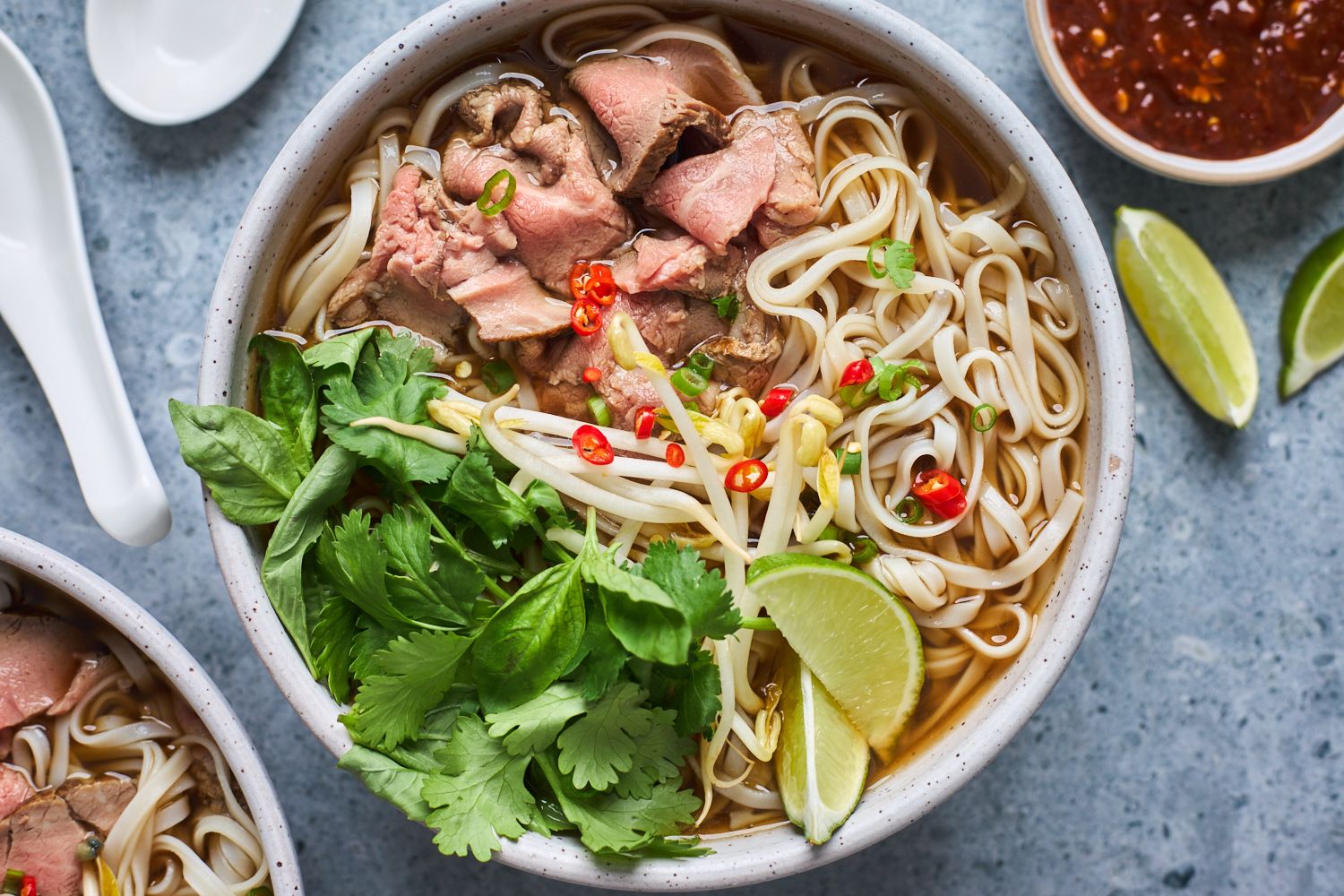
Experience the rich and aromatic flavors of Vietnamese Beef Noodle Soup, also known as Phở Bò. This traditional dish combines tender slices of beef with a fragrant broth, fresh herbs, and rice noodles, creating a comforting and satisfying meal that is perfect for any occasion.
Some ingredients in this recipe might not be commonly found in your pantry. Star anise, cinnamon stick, and coriander seeds are essential for creating the broth's unique flavor profile. Additionally, fish sauce adds a distinct umami taste that is characteristic of Vietnamese cuisine. Make sure to check the international aisle or a specialty Asian market for these items.
INGREDIENTS FOR Vietnamese Beef Noodle Soup (Phở Bò)
Beef bones: Provide a rich and flavorful base for the broth.
Beef brisket: Adds a tender and hearty element to the soup.
Onion: Roasted to enhance the broth's depth of flavor.
Ginger: Adds warmth and a slight spiciness to the broth.
Star anise: Imparts a sweet and licorice-like flavor.
Cinnamon stick: Adds a warm and aromatic note to the broth.
Coriander seeds: Contribute a citrusy and slightly nutty flavor.
Sugar: Balances the savory and aromatic elements of the broth.
Fish sauce: Provides a salty and umami-rich depth to the soup.
Salt: Enhances the overall flavor of the broth.
Rice noodles: Serve as the base for the soup, soaking up the flavorful broth.
Beef sirloin: Thinly sliced and added for a tender and flavorful protein.
Bean sprouts: Add a fresh and crunchy texture to the soup.
Lime: Provides a zesty and tangy contrast to the rich broth.
Fresh herbs: Cilantro, basil, and mint add a burst of freshness and aroma.
Chili peppers: Add a spicy kick to the soup, customizable to your taste.
Technique Tip for Perfecting Your Phở Bò
To achieve a deeply flavorful broth, make sure to roast the beef bones, onion, and ginger until they are well-browned. This caramelization process enhances the umami and adds complexity to the soup. Additionally, when slicing the beef sirloin, ensure it is very thin; partially freezing the meat beforehand can make this task easier and result in more uniform slices.
SIDE DISHES
Substitute ingredients
beef bones - Substitute with chicken bones: Chicken bones can provide a rich and flavorful broth, though it will have a slightly different taste profile.
beef brisket - Substitute with pork shoulder: Pork shoulder has a similar texture and can be slow-cooked to achieve tenderness.
onion - Substitute with shallots: Shallots offer a milder and slightly sweeter flavor that can complement the broth.
ginger - Substitute with galangal: Galangal has a similar spicy and aromatic quality, though it is slightly more citrusy.
star anise - Substitute with fennel seeds: Fennel seeds provide a similar licorice-like flavor, though they are less intense.
cinnamon - Substitute with cassia bark: Cassia bark has a similar flavor profile to cinnamon and is often used in Asian cooking.
coriander seeds - Substitute with cumin seeds: Cumin seeds offer a warm, earthy flavor that can complement the other spices.
sugar - Substitute with honey: Honey adds sweetness and a slight floral note to the broth.
fish sauce - Substitute with soy sauce: Soy sauce provides umami and saltiness, though it lacks the fishy undertone.
salt - Substitute with soy sauce: Soy sauce can add both saltiness and umami to the broth.
rice noodles - Substitute with glass noodles: Glass noodles have a similar texture and can absorb the flavors of the broth well.
beef sirloin - Substitute with pork tenderloin: Pork tenderloin is tender and can be thinly sliced to mimic the texture of beef sirloin.
bean sprouts - Substitute with snow peas: Snow peas offer a similar crunch and fresh flavor.
lime - Substitute with lemon: Lemon provides a similar acidic and citrusy flavor.
fresh herbs - Substitute with parsley: Parsley can provide a fresh and slightly peppery flavor, though it lacks the distinctiveness of cilantro, basil, and mint.
chili peppers - Substitute with red pepper flakes: Red pepper flakes can add heat and spice, though they lack the fresh, fruity flavor of chili peppers.
Other Alternative Recipes Similar to Phở Bò
How to Store or Freeze This Soup
- Allow the broth to cool to room temperature before storing. This helps prevent condensation and keeps the broth clear.
- Store the broth separately from the noodles and toppings. This prevents the noodles from becoming mushy and the toppings from losing their freshness.
- Transfer the broth to airtight containers or heavy-duty freezer bags. Leave some space at the top to allow for expansion if freezing.
- For the noodles, cook them just until al dente, then rinse with cold water to stop the cooking process. Store them in a separate airtight container.
- Slice the beef brisket and beef sirloin thinly and store them in airtight containers. If freezing, layer the slices with parchment paper to prevent sticking.
- Store fresh herbs like cilantro, basil, and mint in a damp paper towel inside a resealable plastic bag to maintain their freshness.
- Bean sprouts can be stored in a container with a little water at the bottom to keep them crisp. Change the water daily if storing for more than a day.
- Lime wedges and chili peppers can be stored in a small airtight container or resealable bag in the refrigerator.
- When ready to serve, reheat the broth until it reaches a rolling boil. This ensures that the broth is hot enough to cook the thinly sliced beef sirloin.
- Reheat the noodles by briefly dipping them in boiling water or microwaving them for a few seconds until warm.
- Assemble the noodles and toppings in bowls, then ladle the hot broth over to complete the dish.
How to Reheat Leftovers
Gently reheat the broth on the stove over medium heat until it reaches a simmer. Avoid boiling to maintain the delicate flavors of the spices and aromatics.
While the broth is warming, prepare a pot of boiling water. Briefly dip the rice noodles in the boiling water for about 30 seconds to 1 minute, just until they are heated through. Drain well.
If you have leftover beef brisket and sirloin, slice them thinly and let them come to room temperature. You can also briefly dip the beef slices in the simmering broth for a few seconds to warm them up without overcooking.
Arrange the reheated rice noodles in bowls, then top with the warmed beef slices.
Ladle the hot broth over the noodles and beef, ensuring everything is well-heated.
Serve immediately with fresh bean sprouts, lime wedges, herbs (such as cilantro, basil, and mint), and chili peppers on the side for a burst of fresh flavor and crunch.
Essential Tools for Making Phở Bò
Oven: Used to roast the beef bones, onion, and ginger at 400°F for 30 minutes.
Large pot: Used to simmer the roasted ingredients and create the broth.
Strainer: Used to strain the broth to remove solids and ensure a clear soup.
Knife: Used to slice the ginger, beef brisket, and beef sirloin thinly.
Cutting board: Provides a surface for slicing the onion, ginger, and meats.
Measuring spoons: Used to measure out the spices, sugar, fish sauce, and salt.
Tongs: Used to handle the beef brisket and other hot ingredients safely.
Ladle: Used to serve the hot broth over the noodles and beef in the bowls.
Bowls: Used to serve the finished pho with noodles, beef, and garnishes.
Colander: Used to drain the cooked rice noodles before dividing them among the bowls.
Vietnamese Beef Noodle Soup (Phở Bò)

Equipment
- Large pot
- Strainer
- Knife
- Cutting board
Ingredients
Soup Base
- 2 lbs Beef bones
- 1 lb Beef brisket
- 1 Onion, halved
- 1 Ginger, sliced
- 5 Star anise
- 1 stick Cinnamon
- 1 tablespoon Coriander seeds
- 1 tablespoon Sugar
- 2 tablespoon Fish sauce
- 1 tablespoon Salt
Noodle and Toppings
- 14 oz Rice noodles
- 1 lb Beef sirloin, thinly sliced
- 1 cup Bean sprouts
- 1 Lime, cut into wedges
- 1 cup Fresh herbs (cilantro, basil, mint)
- 2 Chili peppers, sliced
Instructions
- 1. Roast the beef bones, onion, and ginger in the oven at 400°F for 30 minutes.
- 2. Transfer the roasted ingredients to a large pot and cover with water. Bring to a boil, then reduce to a simmer.
- 3. Add star anise, cinnamon, coriander seeds, sugar, fish sauce, and salt. Simmer for 90 minutes.
- 4. Strain the broth and return it to the pot. Add the beef brisket and cook until tender, about 45 minutes. Remove and slice thinly.
- 5. Cook the rice noodles according to package instructions. Drain and divide among bowls.
- 6. Top the noodles with sliced beef sirloin, brisket, and ladle the hot broth over. Serve with bean sprouts, lime wedges, fresh herbs, and chili peppers.
Notes
Nutrition
Suggested Appetizers and Desserts for This Soup
More Amazing Recipes to Try 🙂
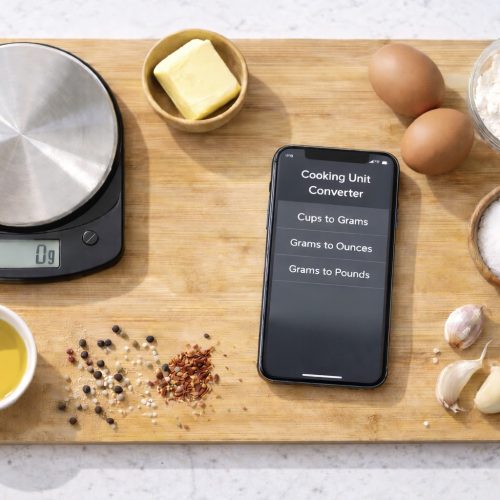
- Best Cooking Calculators for Recipe Conversions
- Vietnamese Clear Tapioca Dumplings (Bánh Bột Lọc) Recipe50 Minutes
- Vietnamese Soy Milk (Sữa Đậu Nành) Recipe8 Minutes
- Vietnamese Sticky Rice Balls in Ginger Syrup (Chè Trôi Nước) Recipe50 Minutes
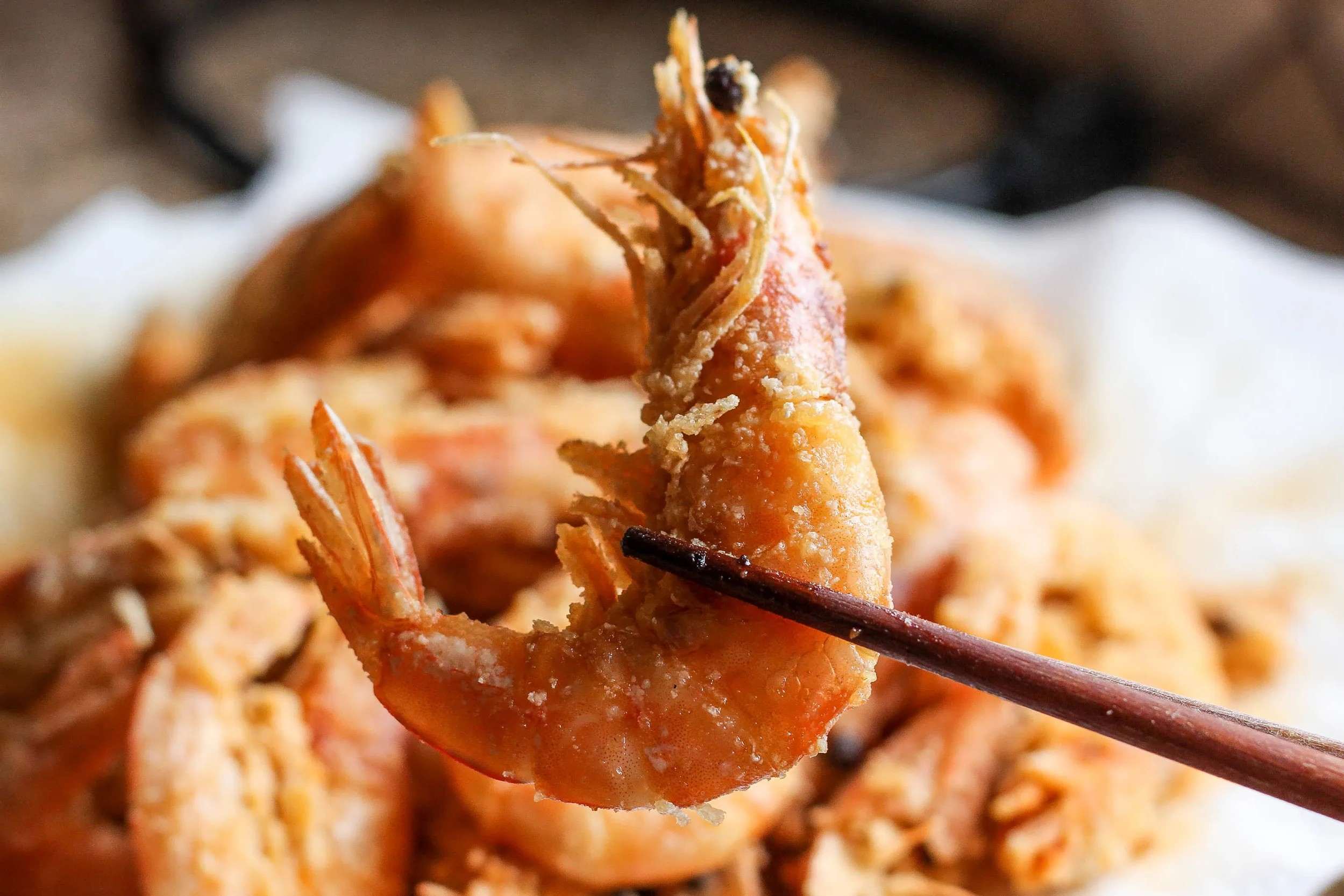
- Vietnamese Salt Roasted Shrimp (Tôm Rang Muối) Recipe25 Minutes
- Vietnamese Fried Rice Flour Cakes (Bột Chiên) Recipe30 Minutes
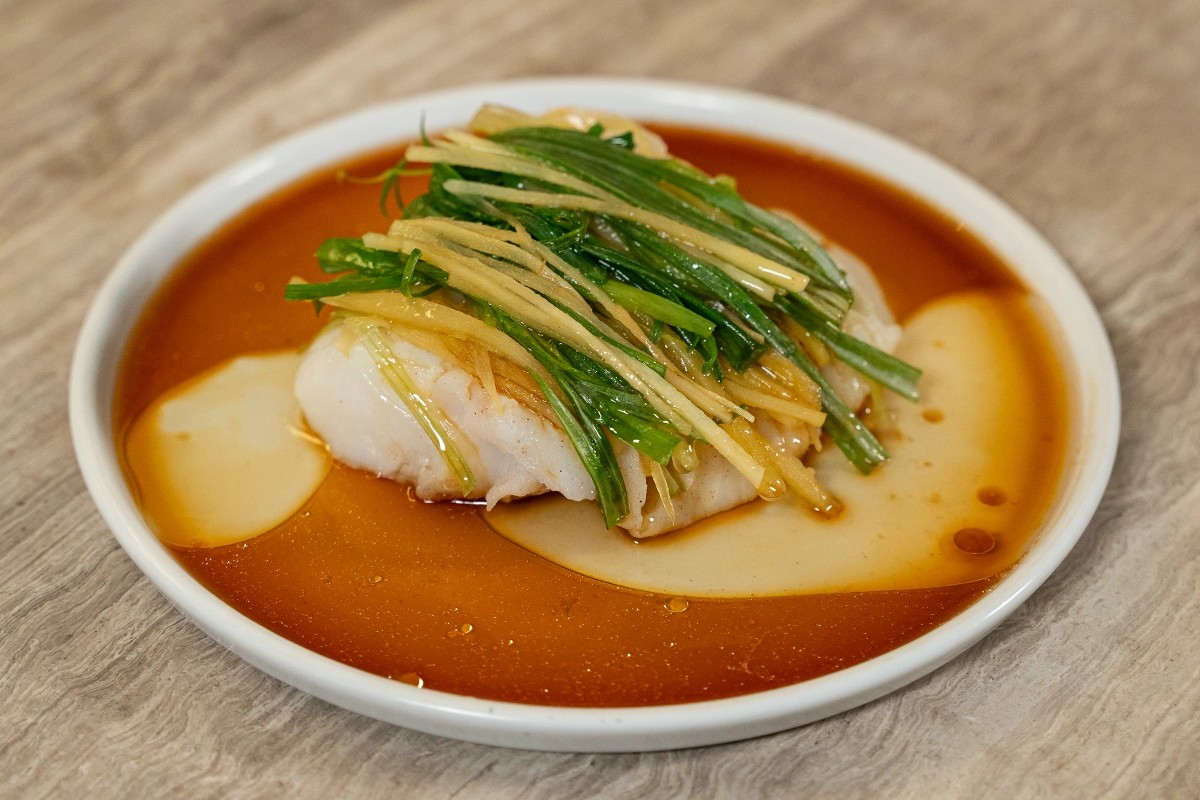
- Vietnamese Steamed Fish with Ginger (Cá Hấp Gừng) Recipe35 Minutes
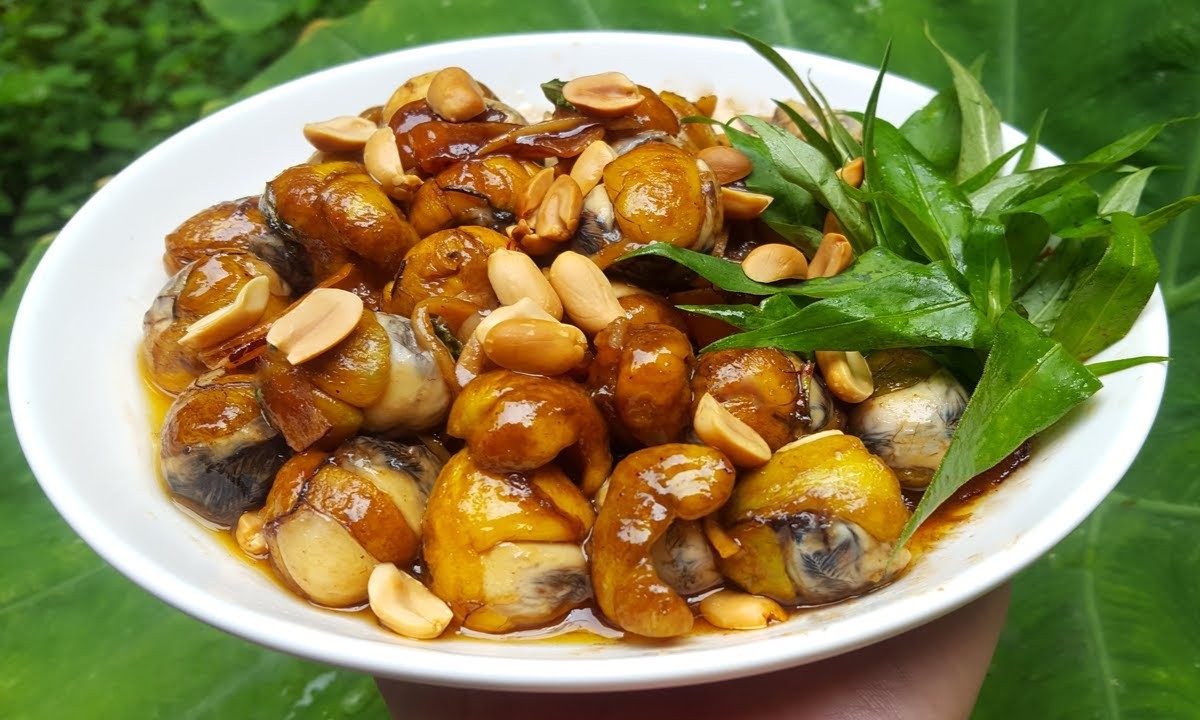
- Vietnamese Tamarind Stir-Fried Quail Balut (Trứng Cút Lộn Xào Me) Recipe35 Minutes






Leave a Reply