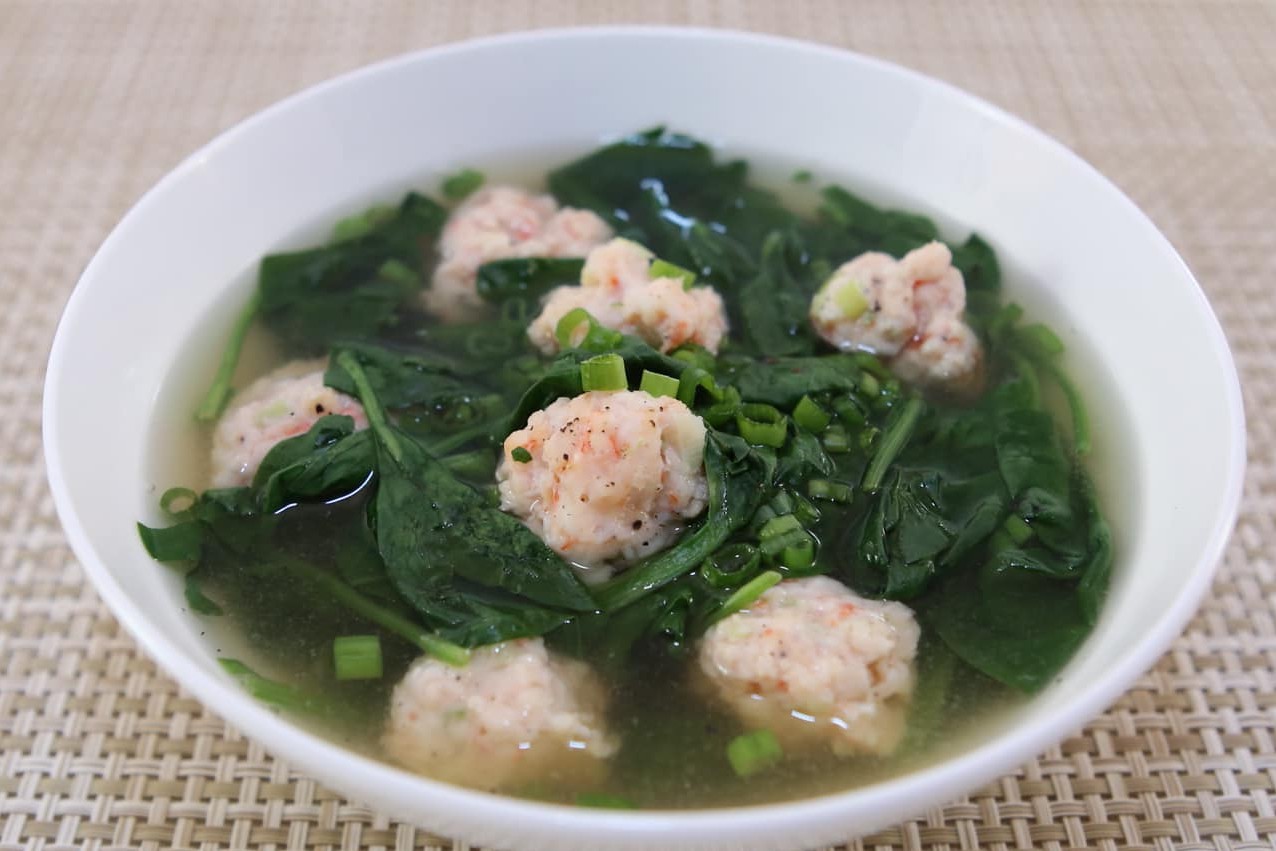
This delightful Vietnamese sweet leaf soup with shrimp, known as canh rau ngót nấu tôm, is a comforting and nutritious dish. The combination of tender shrimp and fresh sweet leaf creates a harmonious blend of flavors that is both light and satisfying. Perfect for a quick weeknight dinner, this soup is sure to become a family favorite.
One of the key ingredients in this recipe is sweet leaf, also known as katuk or star gooseberry. It might not be commonly found in every household, but it can be sourced from Asian supermarkets or specialty stores. Make sure to look for fresh, vibrant leaves to ensure the best flavor. Additionally, fish sauce is a staple in Vietnamese cuisine, providing a unique umami flavor. If you don't have it at home, it’s worth picking up a bottle for this and many other Southeast Asian dishes.
INGREDIENTS FOR Vietnamese Sweet Leaf Soup with Shrimp
Sweet leaf: Fresh, vibrant leaves that add a unique flavor and nutritional value to the soup.
Shrimp: Peeled and deveined, these provide a tender and succulent protein source.
Garlic: Minced to release its aromatic and flavorful qualities.
Fish sauce: Adds a deep umami flavor that is essential in Vietnamese cooking.
Salt: Enhances the overall taste of the soup.
Sugar: Balances the flavors with a touch of sweetness.
Vegetable oil: Used for sautéing the garlic and shrimp.
Water: Forms the base of the soup, bringing all the ingredients together.
Technique Tip for Making This Vietnamese Soup
When sautéing the garlic in the vegetable oil, make sure to keep a close eye on it to prevent burning. Garlic can quickly go from fragrant to bitter if overcooked. Aim for a light golden color before adding the shrimp. This will ensure that the garlic imparts a rich, aromatic flavor to the soup.
SIDE DISHES
Substitute ingredients
sweet leaf - Substitute with spinach: Spinach has a similar texture and mild flavor that works well in soups.
sweet leaf - Substitute with water spinach: Water spinach, also known as morning glory, is commonly used in Southeast Asian cuisine and has a similar taste profile.
shrimp - Substitute with chicken breast: Chicken breast can provide a similar protein content and texture when cut into small pieces.
shrimp - Substitute with tofu: Tofu is a great vegetarian alternative that absorbs flavors well and provides a similar protein boost.
garlic - Substitute with shallots: Shallots offer a milder flavor but can still provide the aromatic base needed for the soup.
fish sauce - Substitute with soy sauce: Soy sauce can provide the umami flavor, though it will be less fishy.
fish sauce - Substitute with tamari: Tamari is a gluten-free alternative to soy sauce and offers a similar umami flavor.
salt - Substitute with sea salt: Sea salt can be used in the same quantity and provides a similar level of saltiness.
sugar - Substitute with honey: Honey can add a touch of sweetness and depth of flavor to the soup.
vegetable oil - Substitute with olive oil: Olive oil is a healthy alternative that can be used for sautéing and cooking.
vegetable oil - Substitute with coconut oil: Coconut oil adds a subtle coconut flavor that can complement the other ingredients.
water - Substitute with chicken broth: Chicken broth can add more depth and richness to the soup's flavor.
Other Alternative Recipes Similar to This Vietnamese Soup
How To Store / Freeze This Vietnamese Soup
Allow the Vietnamese Sweet Leaf Soup with Shrimp to cool to room temperature before storing. This helps prevent condensation, which can lead to a watery soup and potential spoilage.
Transfer the cooled soup into airtight containers. For best results, use containers that are specifically designed for storing soups and liquids to avoid leaks.
If you plan to consume the soup within a few days, store it in the refrigerator. The soup will stay fresh for up to 3-4 days when properly refrigerated.
For longer storage, consider freezing the soup. Pour the soup into freezer-safe containers or heavy-duty freezer bags. Leave some space at the top of the container or bag to allow for expansion as the soup freezes.
Label the containers or bags with the date of storage. This will help you keep track of how long the soup has been stored and ensure you consume it while it's still at its best quality.
When ready to reheat, thaw the frozen soup in the refrigerator overnight. This gradual thawing process helps maintain the texture and flavor of the shrimp and sweet leaf.
Reheat the soup on the stovetop over medium heat. Stir occasionally to ensure even heating and to prevent the soup from sticking to the bottom of the pot.
If the soup appears too thick after reheating, you can add a small amount of water or broth to reach your desired consistency. Adjust the seasoning if necessary.
Avoid reheating the soup multiple times, as this can degrade the quality of the shrimp and vegetables. Reheat only the portion you plan to consume.
Enjoy your Vietnamese Sweet Leaf Soup with Shrimp as a delightful meal, knowing that proper storage and reheating techniques have preserved its delicious flavors and nutritional value.
How To Reheat Leftovers
Gently reheat the Vietnamese sweet leaf soup with shrimp on the stovetop. Pour the soup into a pot and warm it over medium-low heat. Stir occasionally to ensure even heating and prevent the shrimp from becoming overcooked.
Use a microwave-safe bowl to reheat the soup in the microwave. Cover the bowl with a microwave-safe lid or a microwave-safe plate to prevent splatters. Heat on medium power in 1-minute intervals, stirring between each interval until the soup is heated through.
For a quick and even reheating method, use a double boiler. Place the soup in the top part of the double boiler and simmer water in the bottom part. This gentle heating method helps maintain the texture of the sweet leaf and shrimp.
If you have a sous-vide machine, place the soup in a vacuum-sealed bag or a zip-lock bag with the air removed. Submerge the bag in the water bath set to 140°F (60°C) and heat until the soup reaches the desired temperature. This method ensures the shrimp remains tender and the sweet leaf retains its vibrant color.
For a more traditional approach, reheat the soup in a clay pot over low heat. This method allows the flavors to meld together beautifully while gently warming the soup. Stir occasionally to prevent sticking and ensure even heating.
Best Tools for Making This Vietnamese Soup
Pot: Used for heating the oil, sautéing the garlic, cooking the shrimp, and boiling the soup.
Stirring spoon: Essential for stirring the ingredients to ensure even cooking and mixing.
Knife: Necessary for chopping the sweet leaf and mincing the garlic.
Cutting board: Provides a safe surface for chopping the sweet leaf and mincing the garlic.
Measuring spoons: Used to measure the fish sauce, salt, sugar, and vegetable oil accurately.
Measuring cup: Useful for measuring the water to ensure the correct amount is added to the soup.
Bowl: Handy for holding the peeled and deveined shrimp before adding them to the pot.
How to Save Time on Making This Vietnamese Soup
Prep ingredients in advance: Wash and chop the sweet leaf and peel and devein the shrimp ahead of time to streamline the cooking process.
Use pre-minced garlic: Save time by using store-bought minced garlic instead of mincing it yourself.
Boil water first: Start boiling the water while you sauté the garlic and cook the shrimp to reduce waiting time.
Measure seasonings: Pre-measure the fish sauce, salt, and sugar so you can add them quickly when needed.
Vietnamese Sweet Leaf Soup with Shrimp (Canh Rau Ngót Nấu Tôm)

Equipment
- Pot
- Knife
- Cutting board
Ingredients
Main Ingredients
- 200 g Sweet Leaf washed and chopped
- 200 g Shrimp peeled and deveined
- 1 clove Garlic minced
- 1 tablespoon Fish Sauce
- 1 teaspoon Salt
- 1 teaspoon Sugar
- 1 tablespoon Vegetable Oil
- 1 liter Water
Instructions
- Heat the oil in a pot over medium heat. Add the minced garlic and sauté until fragrant.
- Add the shrimp and cook until they turn pink.
- Pour in the water and bring to a boil.
- Add the sweet leaf, fish sauce, salt, and sugar. Stir well and cook for another 5 minutes.
- Serve hot.
Notes
Nutrition
More Amazing Recipes to Try 🙂
- Best Cooking Calculators for Recipe Conversions
- Vietnamese Clear Tapioca Dumplings (Bánh Bột Lọc) Recipe50 Minutes
- Vietnamese Soy Milk (Sữa Đậu Nành) Recipe8 Minutes
- Vietnamese Sticky Rice Balls in Ginger Syrup (Chè Trôi Nước) Recipe50 Minutes
- Vietnamese Salt Roasted Shrimp (Tôm Rang Muối) Recipe25 Minutes
- Vietnamese Fried Rice Flour Cakes (Bột Chiên) Recipe30 Minutes
- Vietnamese Steamed Fish with Ginger (Cá Hấp Gừng) Recipe35 Minutes
- Vietnamese Tamarind Stir-Fried Quail Balut (Trứng Cút Lộn Xào Me) Recipe35 Minutes




Leave a Reply