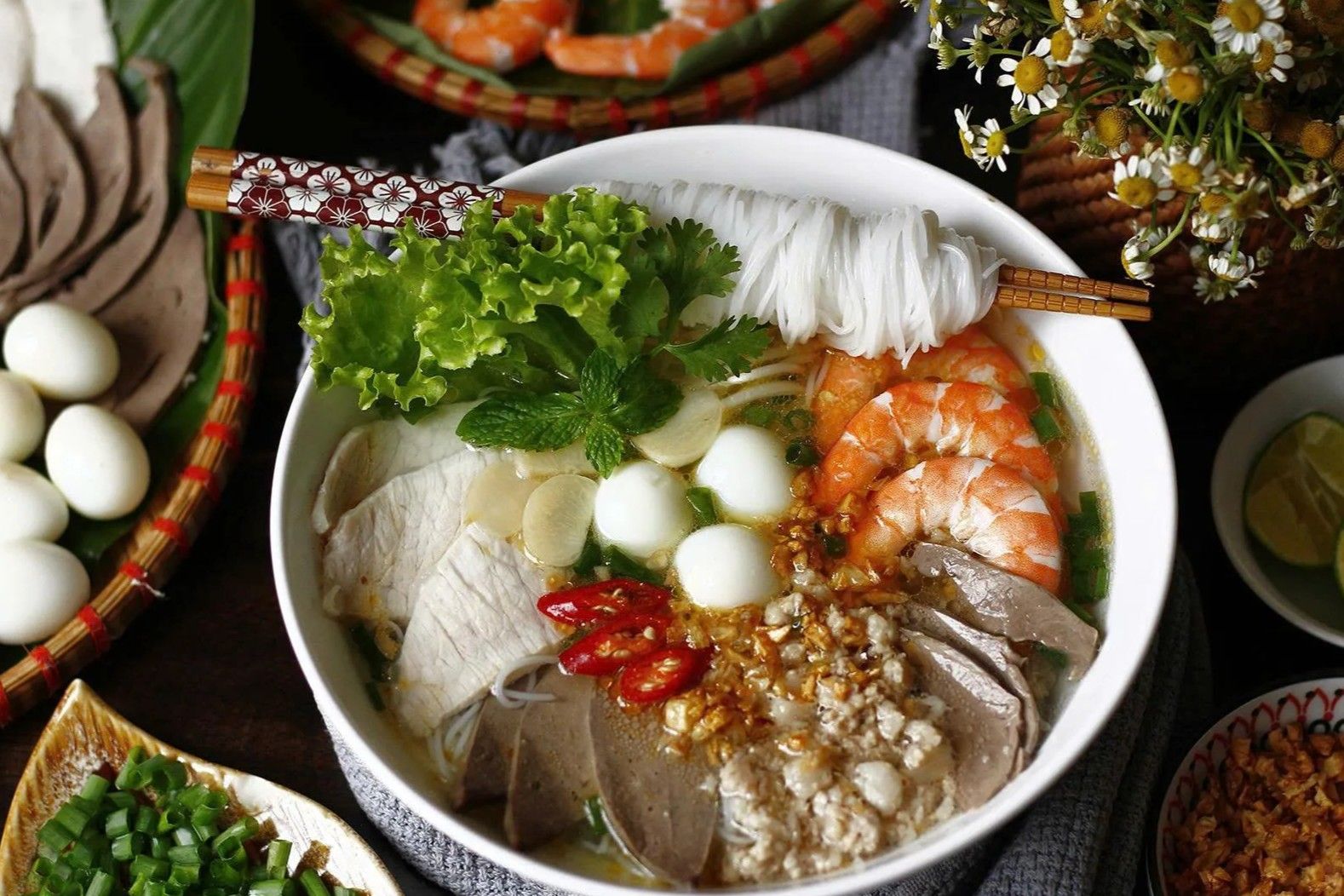
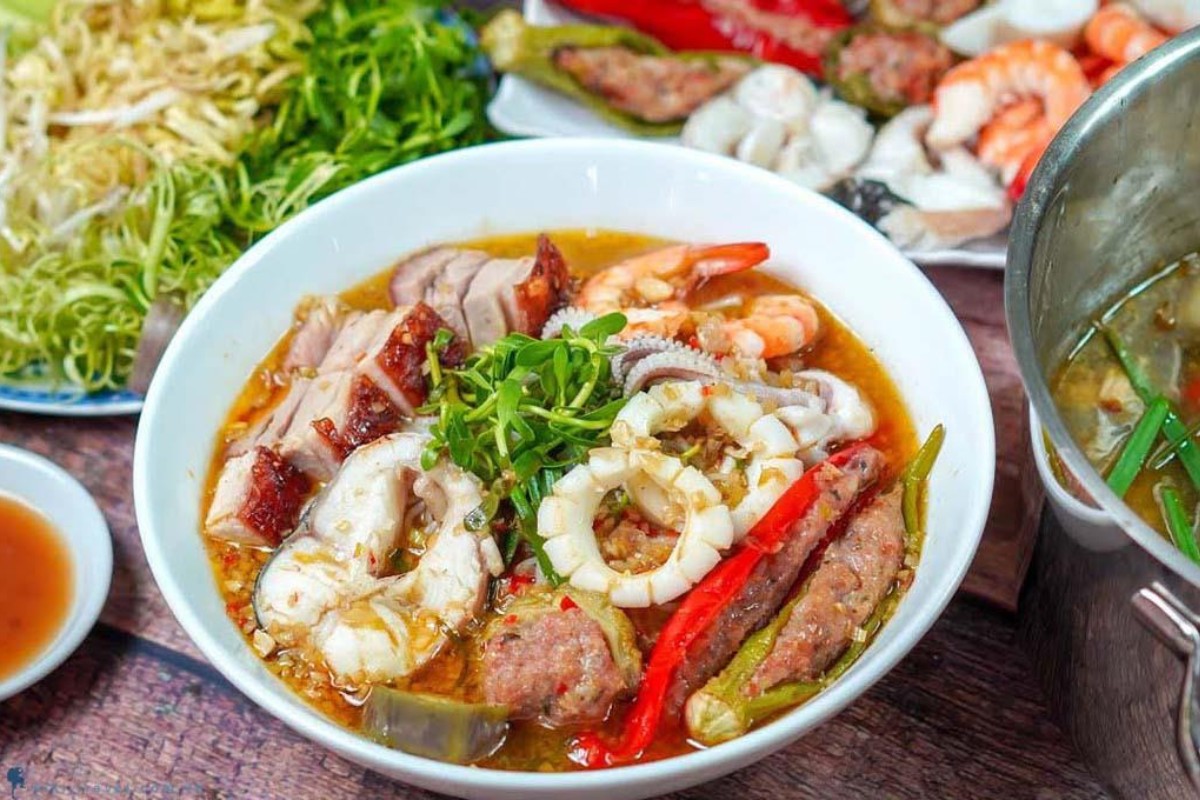
Bún Bò Huế is a flavorful and aromatic Vietnamese spicy beef noodle soup that combines tender cuts of beef shank and pork hock with a rich, lemongrass-infused broth. This dish is a perfect balance of spicy, savory, and fresh flavors, making it a beloved comfort food in Vietnamese cuisine.
Some ingredients in this recipe may not be commonly found in every household. Lemongrass and fish sauce are essential for authentic flavor but might require a trip to an Asian supermarket. Fresh herbs like basil, cilantro, and mint are also crucial for garnish and can usually be found in the produce section.

INGREDIENTS FOR Vietnamese Spicy Beef Noodle Soup (Bún Bò Huế)
Beef shank: Adds rich, beefy flavor and tender texture to the soup.
Pork hock: Contributes to the broth's depth and adds a different texture.
Lemongrass: Provides a citrusy, aromatic note essential for authentic flavor.
Ginger: Adds warmth and a slight spiciness to the broth.
Onion: Enhances the broth's sweetness and depth.
Water: The base for the broth.
Fish sauce: Adds umami and saltiness to the broth.
Salt: Enhances all the flavors in the soup.
Rice noodles: The main carbohydrate component, providing a chewy texture.
Bean sprouts: Adds crunch and freshness to the soup.
Fresh herbs: Basil, cilantro, and mint add aromatic freshness.
Lime: Adds acidity and brightness to the final dish.
Chili oil: Optional, for an extra kick of heat.
Technique Tip for This Recipe
When preparing lemongrass, bruise the stalks by lightly crushing them with the back of a knife. This helps release their aromatic oils, enhancing the flavor of your broth. Additionally, tying the stalks into knots makes them easier to remove later.
SIDE DISHES
Substitute ingredients
beef shank - Substitute with oxtail: Oxtail has a similar gelatinous texture and rich flavor, making it a good alternative for soups and stews.
pork hock - Substitute with pork shoulder: Pork shoulder has a similar fat content and can provide a comparable richness to the broth.
lemongrass - Substitute with lemon zest: Lemon zest can mimic the citrusy notes of lemongrass, though it lacks the herbaceous undertones.
ginger - Substitute with galangal: Galangal has a similar spicy and aromatic profile, though it is slightly more peppery and pine-like.
onion - Substitute with shallots: Shallots offer a milder and slightly sweeter flavor, which can complement the soup well.
water - Substitute with beef broth: Beef broth adds more depth and richness to the soup compared to plain water.
fish sauce - Substitute with soy sauce: Soy sauce provides a similar umami flavor, though it lacks the fishy undertones.
salt - Substitute with sea salt: Sea salt can provide a cleaner, more nuanced salty flavor.
thick rice noodles - Substitute with udon noodles: Udon noodles have a similar thickness and chewy texture, making them a good alternative.
bean sprouts - Substitute with snow peas: Snow peas offer a similar crunch and fresh flavor.
fresh herbs - Substitute with parsley and dill: Parsley and dill can provide a fresh and aromatic touch, though they have a different flavor profile.
lime - Substitute with lemon: Lemon can provide a similar acidic brightness, though it is slightly less sweet.
chili oil - Substitute with sriracha: Sriracha offers a similar spicy kick and can easily be mixed into the soup.
Other Alternative Recipes Similar to This Dish
How to Store or Freeze This Dish
Allow the broth to cool completely before storing. This helps prevent condensation, which can dilute the flavor and affect the texture of the soup.
Separate the noodles from the broth to maintain their texture. Store them in an airtight container in the refrigerator.
Store the meat (beef shank and pork hock) separately from the broth and noodles. This prevents the meat from becoming overly soft and mushy.
For the broth, use a large, airtight container or divide it into smaller portions for easier reheating. Refrigerate for up to 3-4 days.
If you plan to freeze the broth, use freezer-safe containers or heavy-duty freezer bags. Leave some space at the top of the container to allow for expansion as the broth freezes.
Label the containers with the date to keep track of freshness. The broth can be frozen for up to 3 months.
When ready to use, thaw the broth in the refrigerator overnight or use the defrost setting on your microwave.
Reheat the broth on the stove over medium heat until it reaches a simmer. Add the meat to warm through.
Reheat the noodles by briefly soaking them in hot water or microwaving them for a minute or two until they are warm.
Assemble the soup as usual, adding the noodles, meat, and garnishes like bean sprouts, fresh herbs, and lime wedges. Finish with a drizzle of chili oil if desired.
How to Reheat Leftovers
Stovetop Method:
- Pour the broth into a pot and bring it to a gentle simmer over medium heat.
- Add the beef shank and pork hock chunks to the pot to warm them through.
- In a separate pot, bring water to a boil and briefly dip the rice noodles to reheat them, then drain.
- Place the reheated noodles in bowls, ladle the hot broth and meat over them, and garnish with fresh bean sprouts, herbs, lime wedges, and a drizzle of chili oil if desired.
Microwave Method:
- Place the broth in a microwave-safe bowl and cover it with a microwave-safe lid or plastic wrap.
- Heat the broth on high for 2-3 minutes, or until it reaches your desired temperature.
- In a separate microwave-safe bowl, add the beef shank, pork hock, and rice noodles. Cover and microwave on high for 1-2 minutes, or until heated through.
- Combine the hot broth with the reheated meat and noodles in serving bowls. Garnish with fresh bean sprouts, herbs, lime wedges, and a touch of chili oil if using.
Oven Method:
- Preheat your oven to 350°F (175°C).
- Place the beef shank and pork hock chunks in an oven-safe dish, cover with foil, and heat for about 15-20 minutes, or until warmed through.
- Meanwhile, bring the broth to a simmer on the stovetop.
- Reheat the rice noodles by briefly dipping them in boiling water, then drain.
- Assemble the bowls by placing the noodles first, followed by the reheated meat, and then ladling the hot broth over. Garnish with fresh bean sprouts, herbs, lime wedges, and a splash of chili oil if desired.
Best Tools for This Recipe
Large pot: Used to boil the beef shank, pork hock, lemongrass, ginger, and onion to create the broth.
Knife: Essential for cutting the beef shank, pork hock, ginger, and onion into chunks or slices.
Cutting board: Provides a stable surface for cutting the meat and vegetables.
Tongs: Useful for removing the meat from the pot once it is tender.
Strainer: Used to strain the broth to remove any solids, ensuring a clear soup.
Ladle: Helps in serving the hot broth over the noodles and meat in each bowl.
Measuring spoons: Necessary for accurately measuring the fish sauce, salt, and optional chili oil.
Mixing bowl: Handy for holding the cooked rice noodles after they have been drained.
Serving bowls: Used to serve the final dish with noodles, meat, broth, and garnishes.
Chopsticks: Traditional utensil for eating the noodle soup.
Soup spoon: Useful for enjoying the broth along with the noodles and meat.
Knotting tool: Optional but helpful for tying the lemongrass into knots to release more flavor.
How to Save Time on Making This Recipe
Prep ingredients in advance: Chop and measure all ingredients like lemongrass, ginger, and onion before you start cooking.
Use a pressure cooker: Cut down the simmering time by using a pressure cooker to tenderize the beef shank and pork hock.
Cook noodles ahead: Prepare the rice noodles while the broth is simmering to save time.
Make broth in bulk: Double the broth recipe and freeze half for a quicker meal next time.
Organize garnishes: Arrange bean sprouts, herbs, and lime wedges on a platter for easy access when serving.
Vietnamese Spicy Beef Noodle Soup (Bún Bò Huế)

Equipment
- Large pot
- Strainer
- Knife
- Cutting board
Ingredients
Soup Base
- 2 lbs Beef shank cut into chunks
- 1 lb Pork hock cut into chunks
- 2 stalks Lemongrass bruised and tied into knots
- 1 piece Ginger sliced
- 1 medium Onion halved
- 6 cups Water
- 2 tablespoon Fish sauce
- 1 tablespoon Salt
Noodles and Garnish
- 1 lb Rice noodles thick
- 1 cup Bean sprouts
- 1 cup Fresh herbs such as basil, cilantro, and mint
- 1 piece Lime cut into wedges
- 1 tablespoon Chili oil optional
Instructions
- 1. In a large pot, add beef shank, pork hock, lemongrass, ginger, onion, and water. Bring to a boil.
- 2. Reduce heat and simmer for about 1.5 hours, until meat is tender.
- 3. Remove meat from the pot, strain the broth, and return it to the pot.
- 4. Add fish sauce and salt to the broth. Adjust seasoning to taste.
- 5. Cook rice noodles according to package instructions. Drain and set aside.
- 6. To serve, place noodles in bowls, top with beef and pork, and ladle hot broth over. Garnish with bean sprouts, herbs, lime wedges, and chili oil if using.
Notes
Nutrition
Suggested Appetizers and Desserts for This Recipe
More Amazing Recipes to Try 🙂
- Best Cooking Calculators for Recipe Conversions
- Vietnamese Clear Tapioca Dumplings (Bánh Bột Lọc) Recipe50 Minutes
- Vietnamese Soy Milk (Sữa Đậu Nành) Recipe8 Minutes
- Vietnamese Sticky Rice Balls in Ginger Syrup (Chè Trôi Nước) Recipe50 Minutes
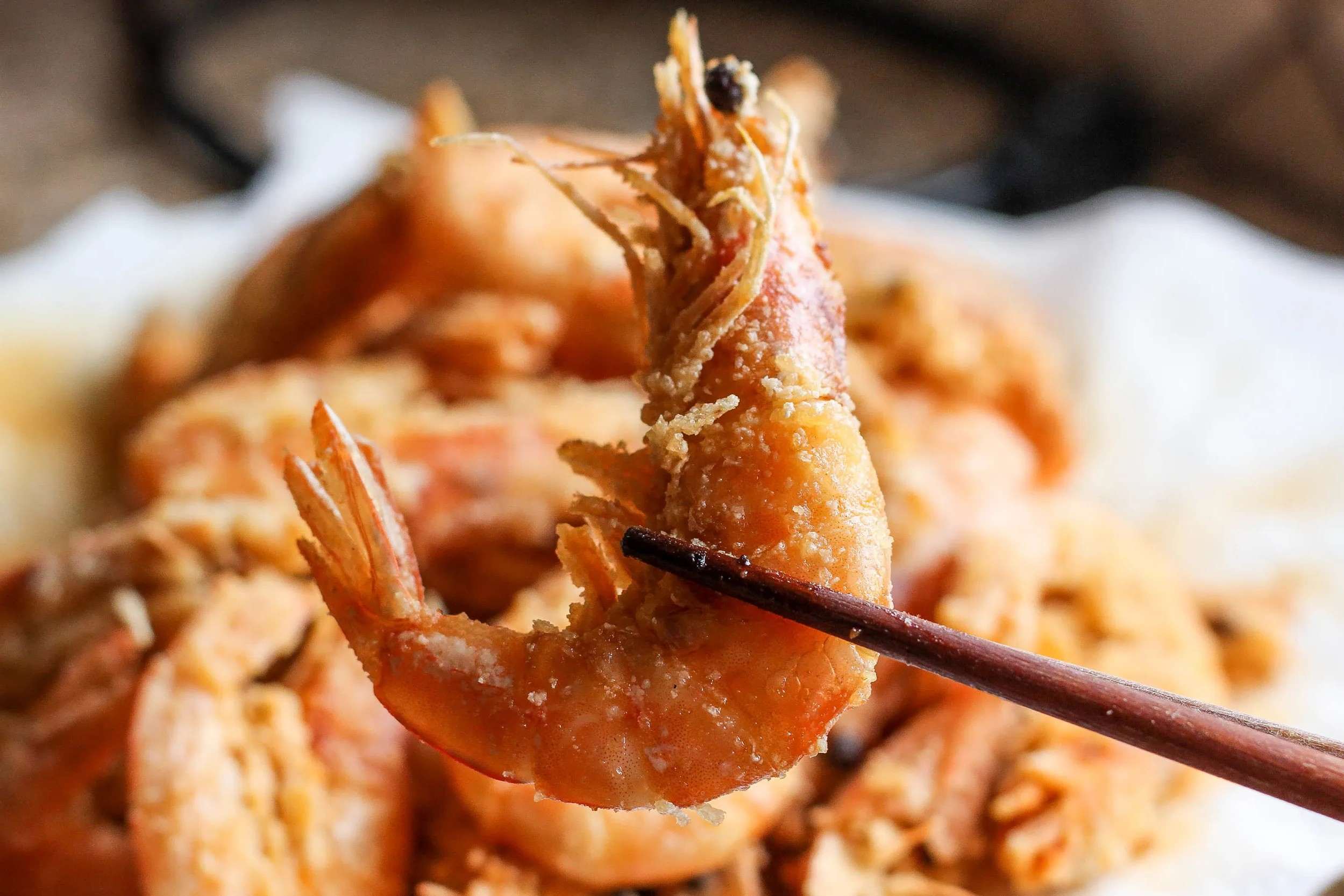
- Vietnamese Salt Roasted Shrimp (Tôm Rang Muối) Recipe25 Minutes
- Vietnamese Fried Rice Flour Cakes (Bột Chiên) Recipe30 Minutes
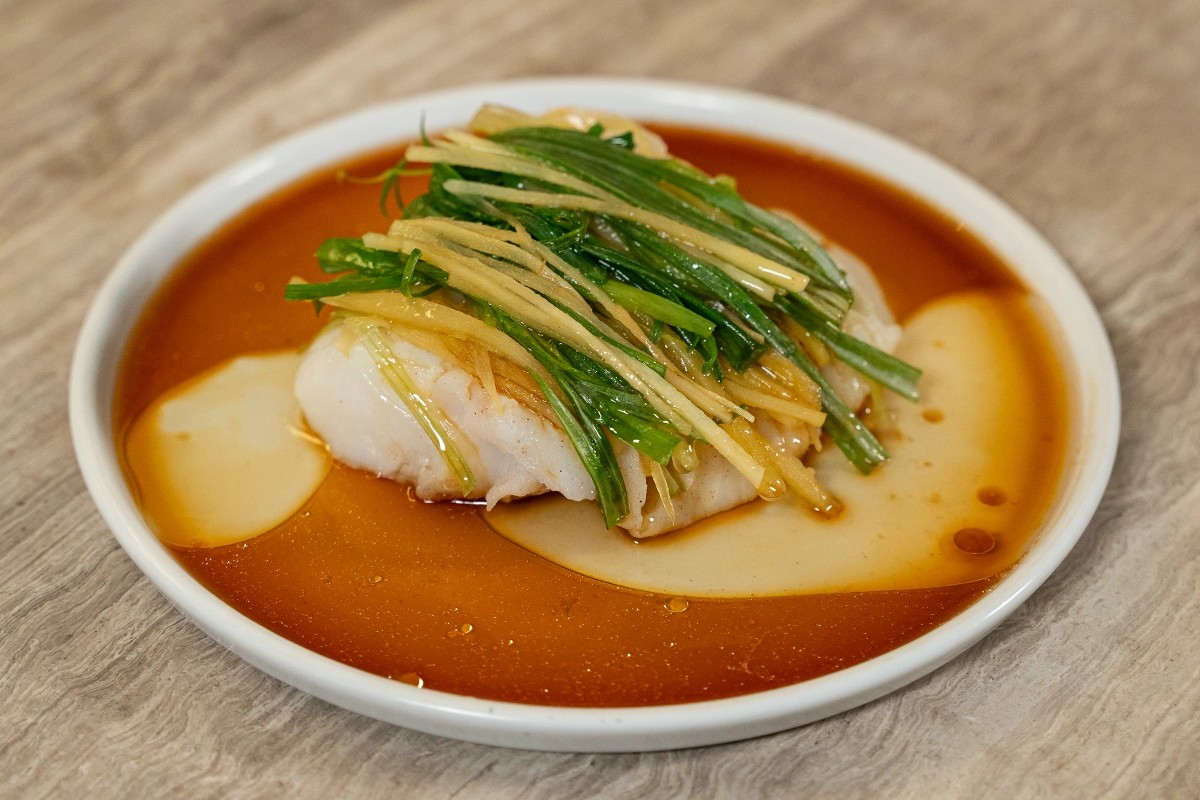
- Vietnamese Steamed Fish with Ginger (Cá Hấp Gừng) Recipe35 Minutes
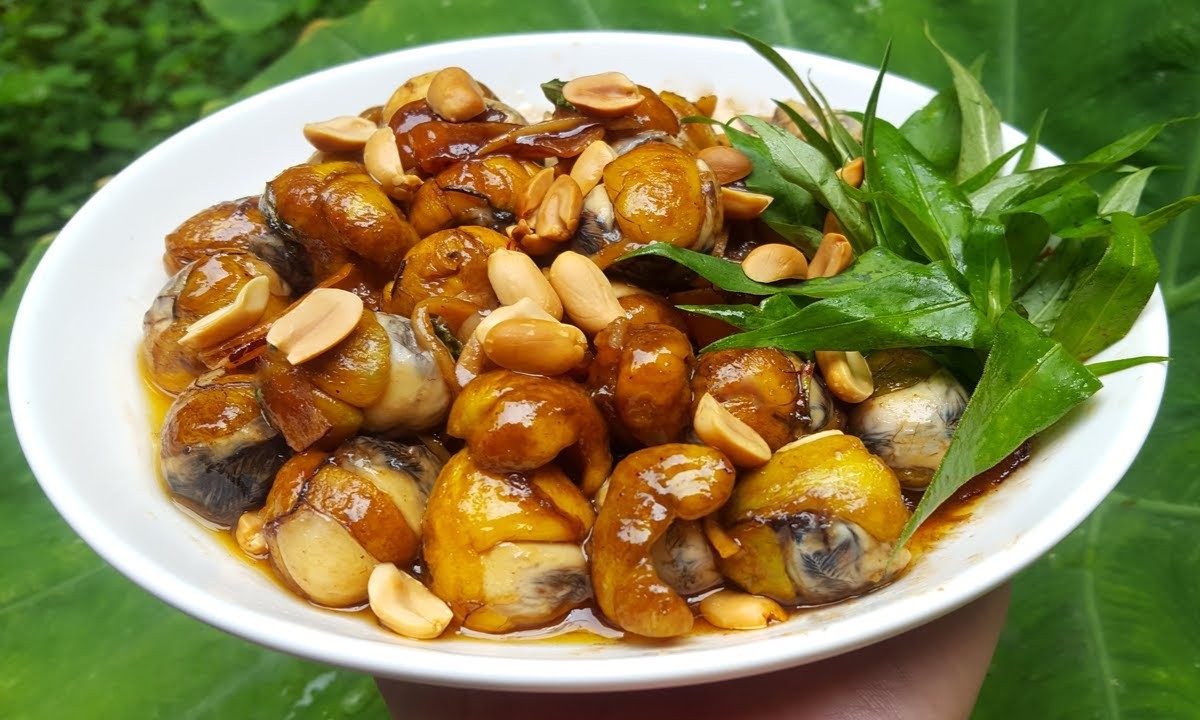
- Vietnamese Tamarind Stir-Fried Quail Balut (Trứng Cút Lộn Xào Me) Recipe35 Minutes







Leave a Reply