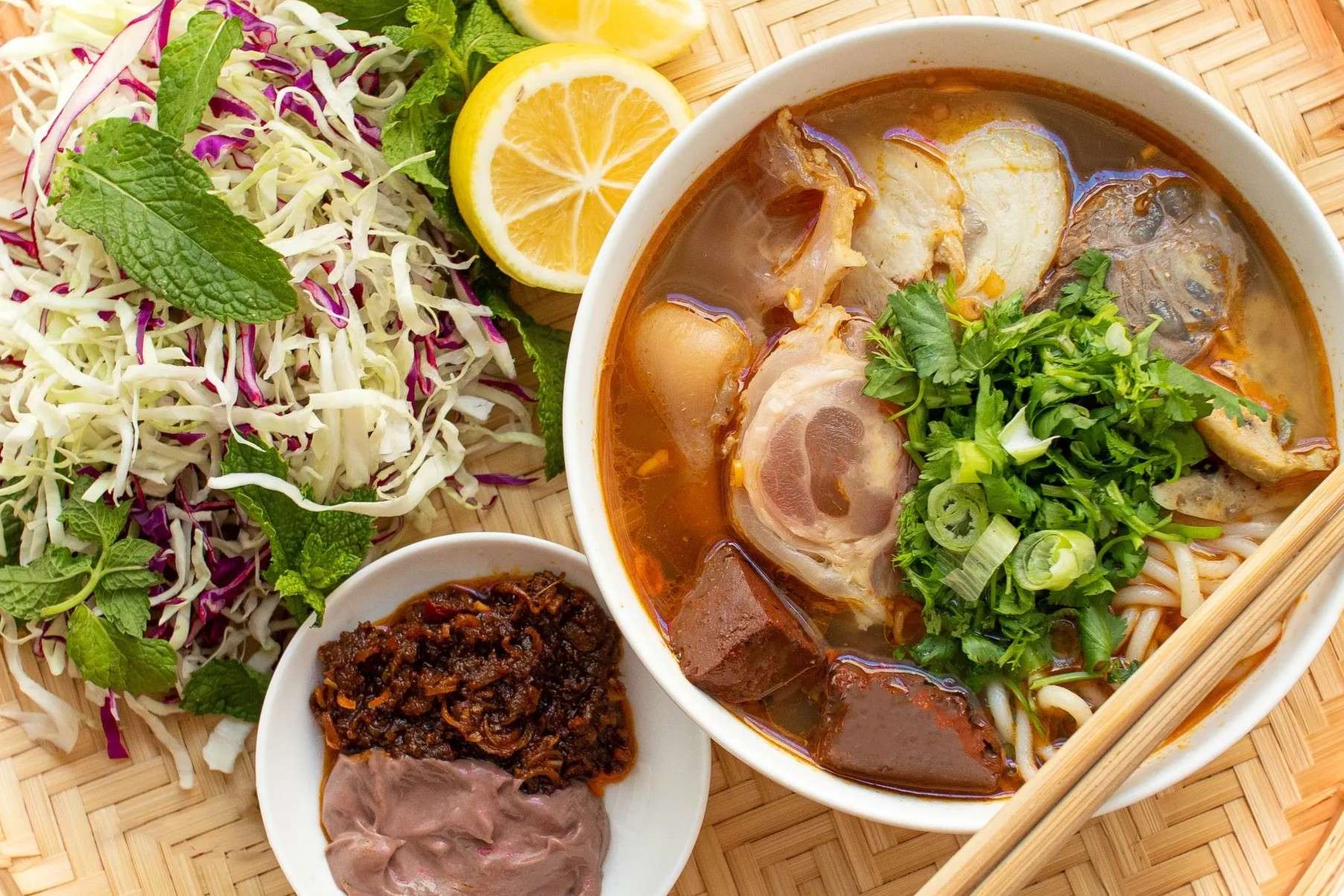
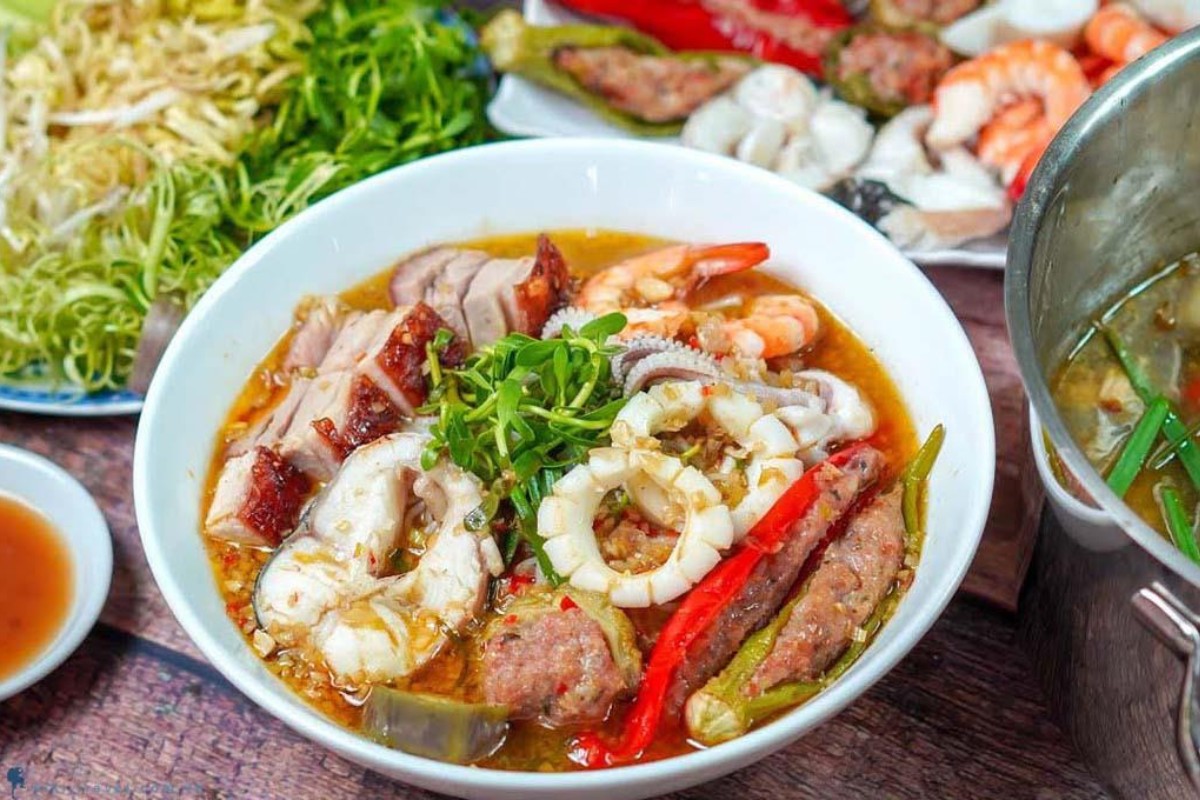
Vietnamese Spicy Beef Stew Noodles, or Bún Bò Cay, is a flavorful and aromatic dish that combines tender beef with a rich, spicy broth. This comforting meal is perfect for those who enjoy a bit of heat in their food. The combination of spices and fresh herbs creates a complex and satisfying flavor profile that will transport your taste buds straight to Vietnam.
Some ingredients in this recipe may not be commonly found in your pantry. Lemongrass is a fragrant herb often used in Southeast Asian cuisine, and fish sauce is a salty, umami-rich condiment made from fermented fish. Star anise and cinnamon stick are spices that add depth and warmth to the broth. You may need to visit an Asian supermarket or specialty store to find these items.
INGREDIENTS FOR Vietnamese Spicy Beef Stew Noodles
Beef stew meat: Tender chunks of beef that become melt-in-your-mouth delicious when slow-cooked.
Vegetable oil: Used for sautéing the onions and garlic.
Onion: Adds sweetness and depth to the broth.
Garlic: Provides a pungent and aromatic base.
Lemongrass: Adds a citrusy and fragrant note to the stew.
Chili paste: Brings the heat and spice to the dish.
Fish sauce: Adds a salty, umami flavor.
Soy sauce: Contributes a savory depth to the broth.
Sugar: Balances the flavors with a touch of sweetness.
Beef broth: Forms the base of the rich and flavorful soup.
Water: Used to adjust the consistency of the broth.
Star anise: Adds a sweet, licorice-like flavor.
Cinnamon stick: Infuses the broth with warmth and spice.
Rice noodles: The base of the dish, providing a chewy texture that soaks up the flavorful broth.
Technique Tip for This Recipe
To enhance the flavor of the beef stew meat, consider marinating it for at least 30 minutes before cooking. Use a mixture of fish sauce, soy sauce, and a bit of sugar to allow the meat to absorb these rich flavors. This step will make the beef more tender and flavorful, adding depth to your Vietnamese Spicy Beef Stew Noodles.
SIDE DISHES
Substitute ingredients
beef stew meat - Substitute with pork shoulder: Pork shoulder has a similar texture and can absorb the flavors well.
vegetable oil - Substitute with canola oil: Canola oil has a neutral flavor and similar smoke point.
onion - Substitute with shallots: Shallots provide a milder, sweeter flavor that can complement the dish.
garlic - Substitute with garlic powder: Use ¼ teaspoon of garlic powder for each clove of garlic.
lemongrass - Substitute with lemon zest: Lemon zest can provide a similar citrusy aroma.
chili paste - Substitute with sriracha: Sriracha can provide a similar level of heat and flavor.
fish sauce - Substitute with soy sauce: Soy sauce can provide a similar umami flavor, though it lacks the fishy note.
soy sauce - Substitute with tamari: Tamari is a gluten-free alternative with a similar taste.
sugar - Substitute with honey: Honey can add sweetness and a slight floral note.
beef broth - Substitute with chicken broth: Chicken broth can provide a similar savory base.
water - Substitute with coconut water: Coconut water can add a subtle sweetness and depth of flavor.
star anise - Substitute with anise seeds: Anise seeds can provide a similar licorice-like flavor.
cinnamon stick - Substitute with ground cinnamon: Use ¼ teaspoon of ground cinnamon for each stick.
rice noodles - Substitute with glass noodles: Glass noodles have a similar texture and can absorb the broth well.
Other Alternative Recipes Similar to This Dish
How to Store or Freeze This Dish
- Allow the beef stew to cool to room temperature before storing. This helps prevent condensation, which can lead to soggy noodles and spoilage.
- Transfer the stew to an airtight container. If you plan to store the noodles separately, place them in a different container to avoid them becoming mushy.
- For short-term storage, refrigerate the stew and noodles for up to 3-4 days. Ensure the containers are sealed tightly to maintain freshness.
- For long-term storage, freeze the beef stew in a freezer-safe container. Leave some space at the top of the container to allow for expansion as the stew freezes.
- To freeze the noodles, spread them out on a baking sheet lined with parchment paper and freeze until solid. Once frozen, transfer them to a freezer-safe bag or container. This prevents the noodles from clumping together.
- Label the containers with the date of storage to keep track of their freshness.
- When ready to enjoy, thaw the beef stew in the refrigerator overnight. Reheat gently on the stove over medium heat until warmed through.
- For the noodles, you can reheat them by briefly soaking in hot water or microwaving with a splash of water to prevent drying out.
- Garnish with fresh herbs, lime wedges, and bean sprouts just before serving to maintain their crispness and vibrant flavors.
How to Reheat Leftovers
Gently reheat the beef stew on the stovetop over medium-low heat. Stir occasionally to ensure even heating and prevent sticking. This method helps maintain the rich flavors and tender texture of the beef.
If you're in a hurry, use the microwave. Place the stew in a microwave-safe bowl, cover it with a microwave-safe lid or plastic wrap, and heat on medium power in 1-minute intervals. Stir between intervals to ensure even heating.
For the rice noodles, bring a pot of water to a gentle boil. Submerge the noodles for about 30 seconds to 1 minute, just until they are warmed through. Drain and serve immediately with the reheated stew.
Alternatively, you can reheat the noodles in the microwave. Place them in a microwave-safe bowl, sprinkle a few drops of water over them, cover with a damp paper towel, and heat on medium power for 30-second intervals until warm.
To retain the fresh taste of the herbs and bean sprouts, add them just before serving. You can also refresh the bean sprouts by soaking them in ice water for a few minutes before serving.
If you have leftover broth and meat but no noodles, consider turning it into a hearty soup. Add some fresh vegetables like carrots or bok choy and simmer until they are tender. Serve with a side of crusty bread for a comforting meal.
Best Tools for This Recipe
Large pot: Used to cook the stew, allowing enough space for all ingredients to simmer together.
Wooden spoon: Ideal for stirring the ingredients without scratching the pot.
Knife: Essential for chopping the onion, mincing the garlic, and cutting the lemongrass.
Cutting board: Provides a safe surface for chopping and mincing ingredients.
Measuring spoons: Used to measure out the vegetable oil, chili paste, fish sauce, soy sauce, and sugar accurately.
Measuring cup: Necessary for measuring the beef broth and water.
Tongs: Useful for turning the beef stew meat to ensure it browns evenly on all sides.
Strainer: Needed to drain the cooked rice noodles.
Serving bowls: Used to serve the final dish, holding the rice noodles and stew together.
Ladle: Helps in serving the stew over the rice noodles without making a mess.
Mortar and pestle: Optional but useful for smashing the lemongrass to release its flavors.
How to Save Time on Making This Dish
Prep ingredients ahead: Chop the onion, mince the garlic, and smash the lemongrass the night before.
Use a pressure cooker: Cut down the simmering time by using a pressure cooker to tenderize the beef stew meat.
Pre-cook noodles: Cook the rice noodles in advance and store them in the fridge to save time later.
Batch cook: Double the recipe and freeze half for a quick meal next time.
Ready-made broth: Use store-bought beef broth to skip the step of making it from scratch.
Vietnamese Spicy Beef Stew Noodles (Bún Bò Cay) Recipe

Equipment
- Large pot
- Knife
- Cutting board
Ingredients
Main Ingredients
- 1 lb beef stew meat
- 2 tablespoon vegetable oil
- 1 large onion, chopped
- 3 cloves garlic, minced
- 1 stalk lemongrass, smashed and cut into pieces
- 1 tablespoon chili paste
- 1 tablespoon fish sauce
- 1 tablespoon soy sauce
- 1 tablespoon sugar
- 4 cups beef broth
- 1 cup water
- 1 star anise
- 1 cinnamon stick
- 1 package rice noodles
- Fresh herbs (cilantro, basil)
- Lime wedges
- Bean sprouts
Instructions
- 1. Heat the vegetable oil in a large pot over medium heat. Add the chopped onion and minced garlic, and cook until fragrant.
- 2. Add the beef stew meat and cook until browned on all sides.
- 3. Add the lemongrass, chili paste, fish sauce, soy sauce, and sugar. Stir to combine.
- 4. Pour in the beef broth and water. Add the star anise and cinnamon stick. Bring to a boil, then reduce heat and simmer for 1 hour and 30 minutes.
- 5. Cook the rice noodles according to package instructions. Drain and set aside.
- 6. Serve the stew over the cooked rice noodles. Garnish with fresh herbs, lime wedges, and bean sprouts.
Notes
Nutrition
Suggested Appetizers and Desserts for This Dish
More Amazing Recipes to Try 🙂
- Best Cooking Calculators for Recipe Conversions
- Vietnamese Clear Tapioca Dumplings (Bánh Bột Lọc) Recipe50 Minutes
- Vietnamese Soy Milk (Sữa Đậu Nành) Recipe8 Minutes
- Vietnamese Sticky Rice Balls in Ginger Syrup (Chè Trôi Nước) Recipe50 Minutes
- Vietnamese Salt Roasted Shrimp (Tôm Rang Muối) Recipe25 Minutes
- Vietnamese Fried Rice Flour Cakes (Bột Chiên) Recipe30 Minutes
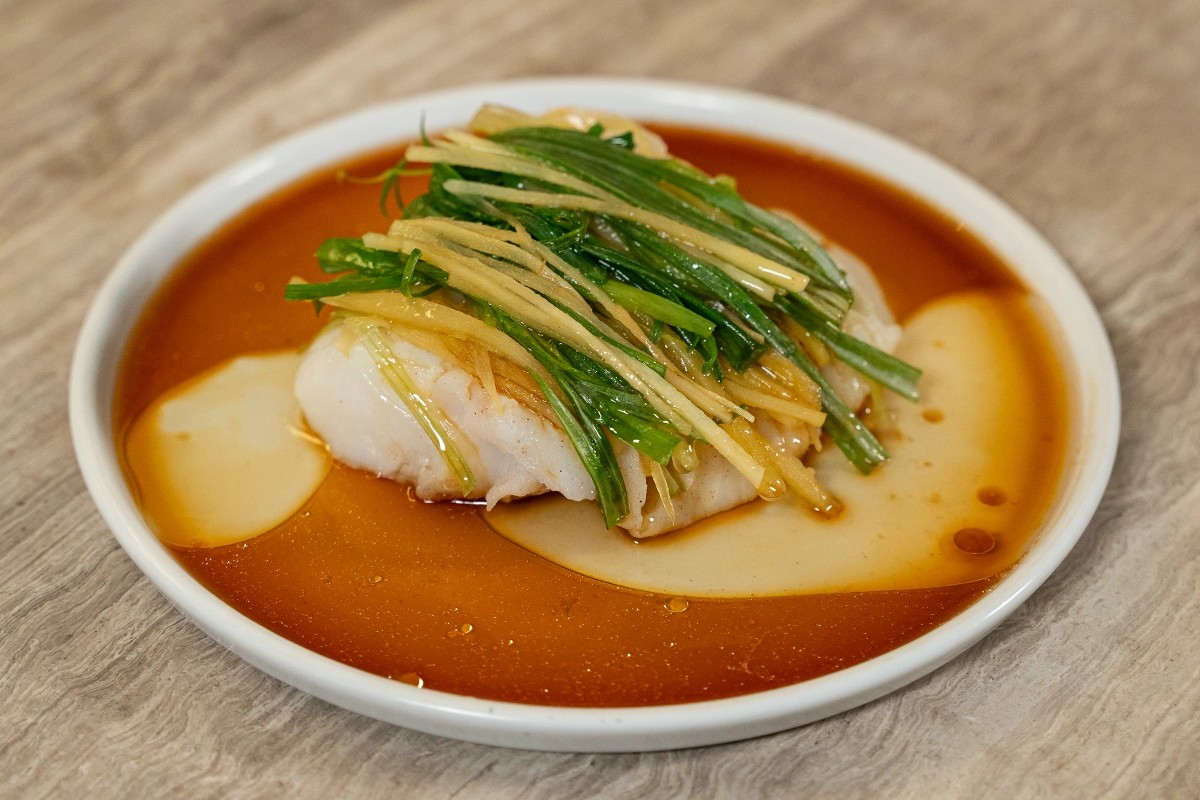
- Vietnamese Steamed Fish with Ginger (Cá Hấp Gừng) Recipe35 Minutes
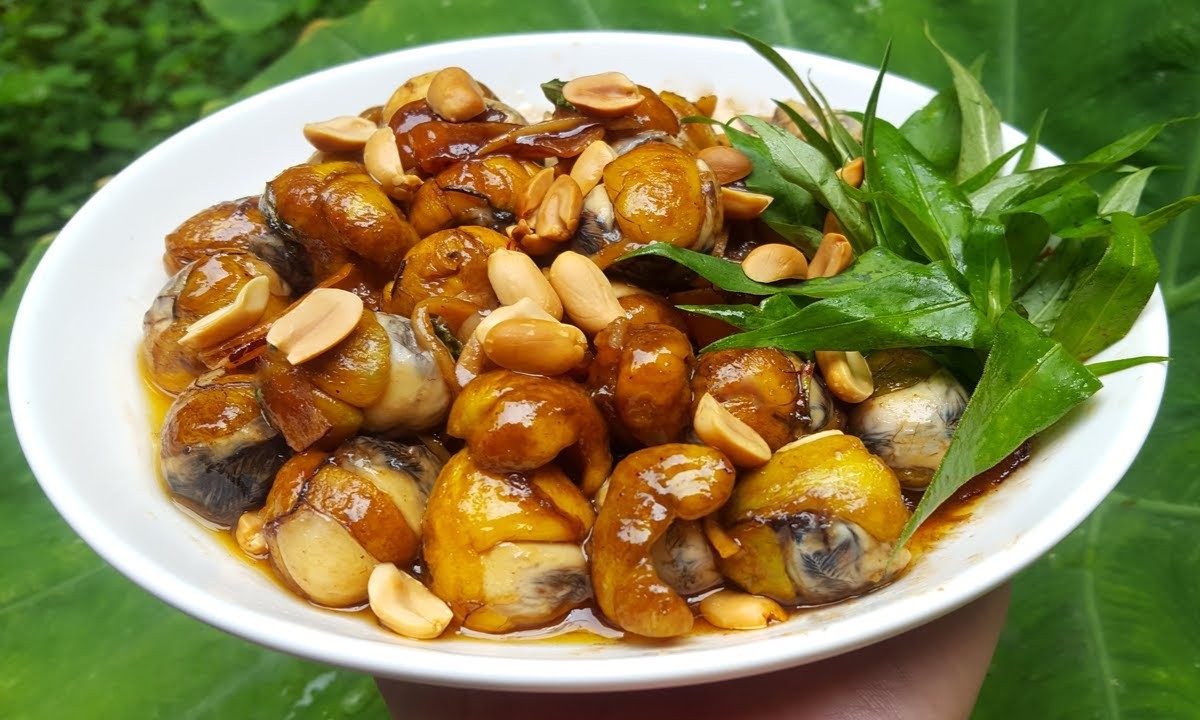
- Vietnamese Tamarind Stir-Fried Quail Balut (Trứng Cút Lộn Xào Me) Recipe35 Minutes






Leave a Reply